
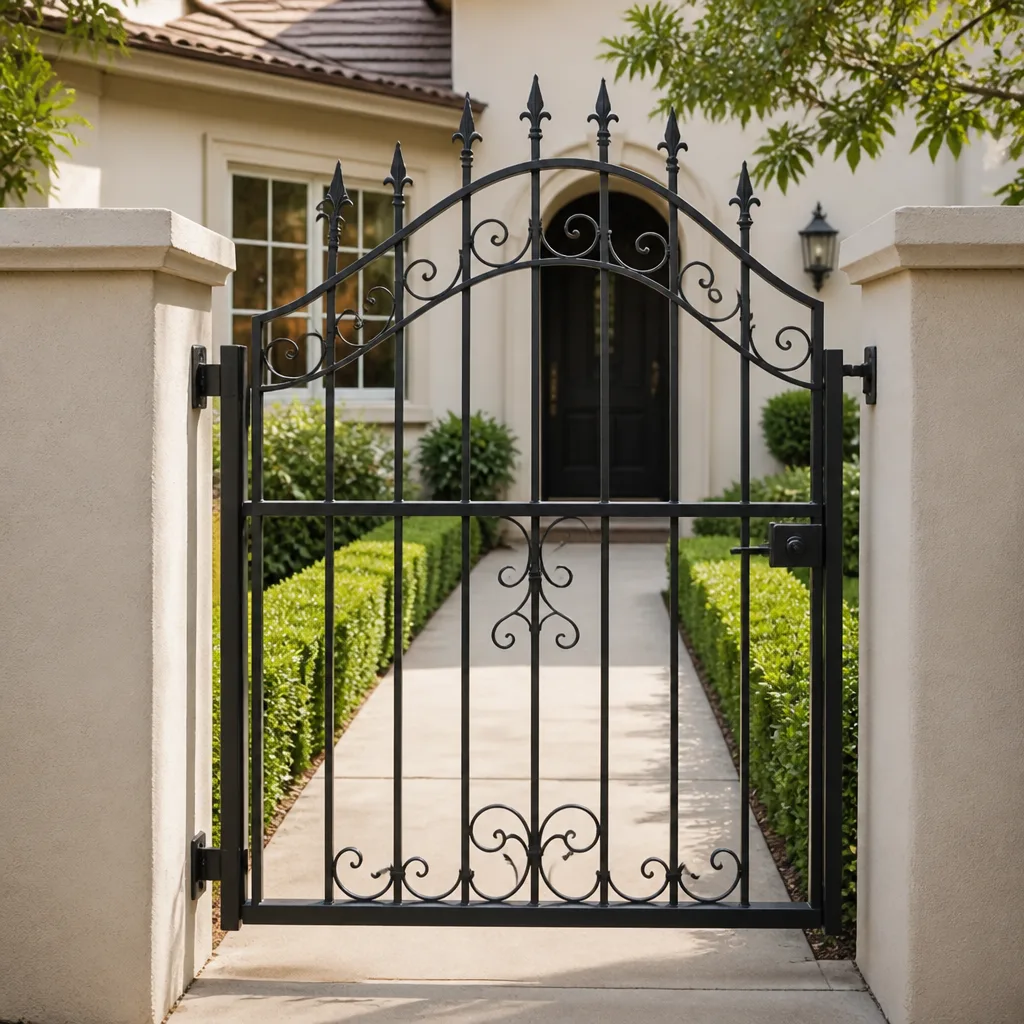
 Wrought iron
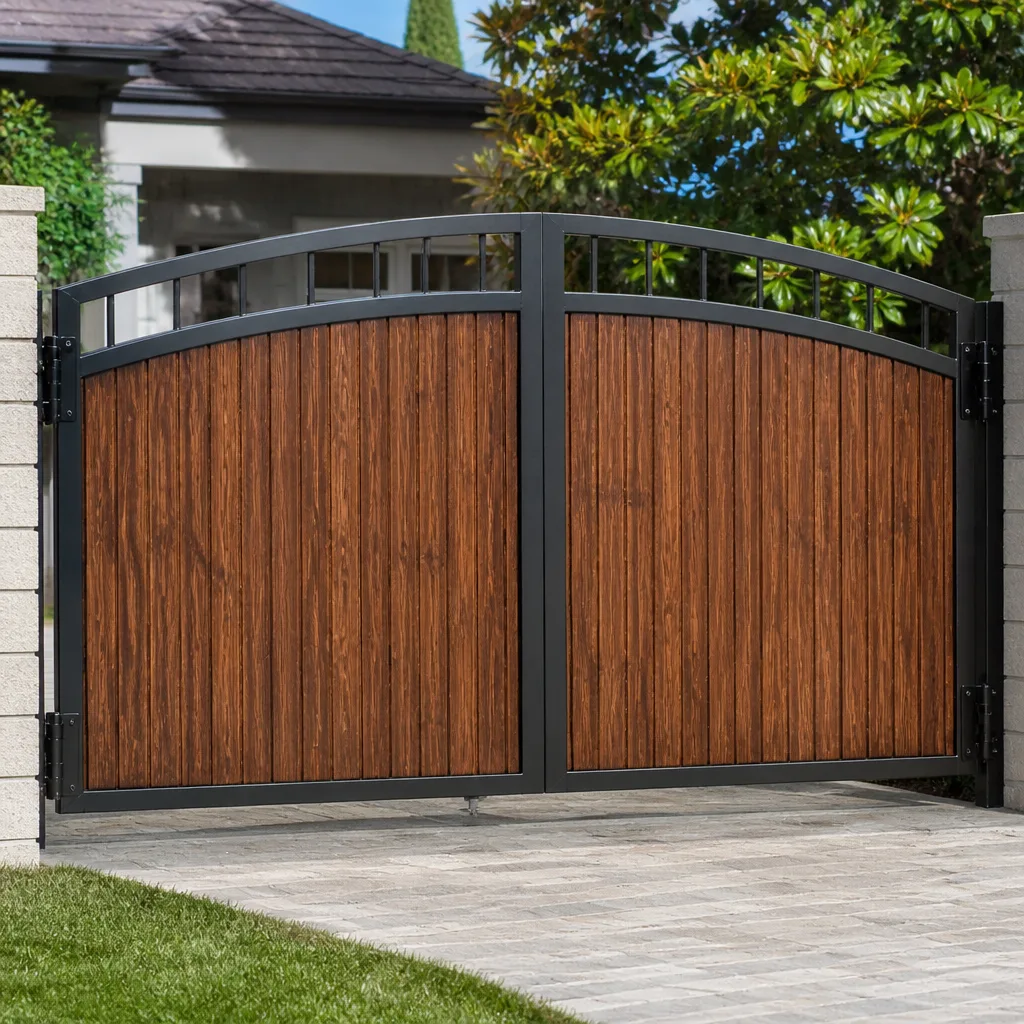 Wood & steel frame
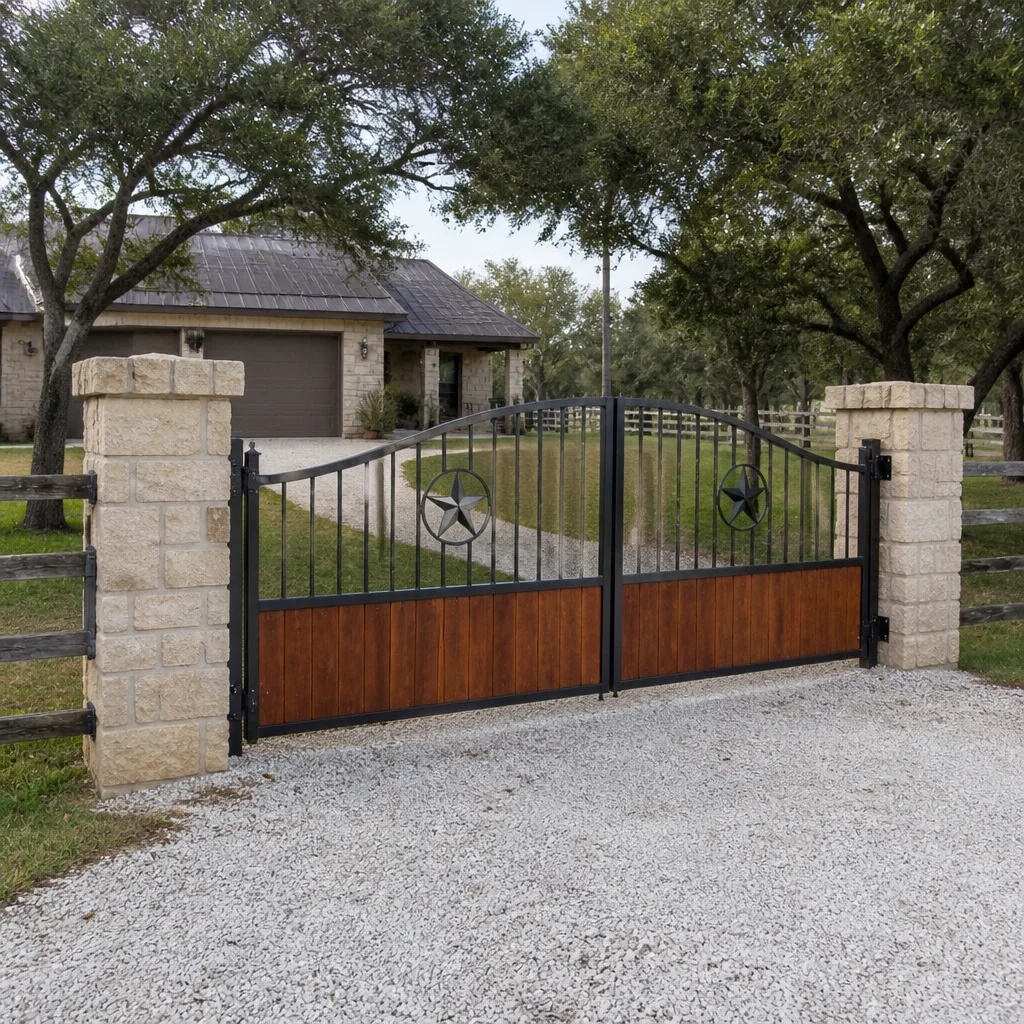 Farm & ranch
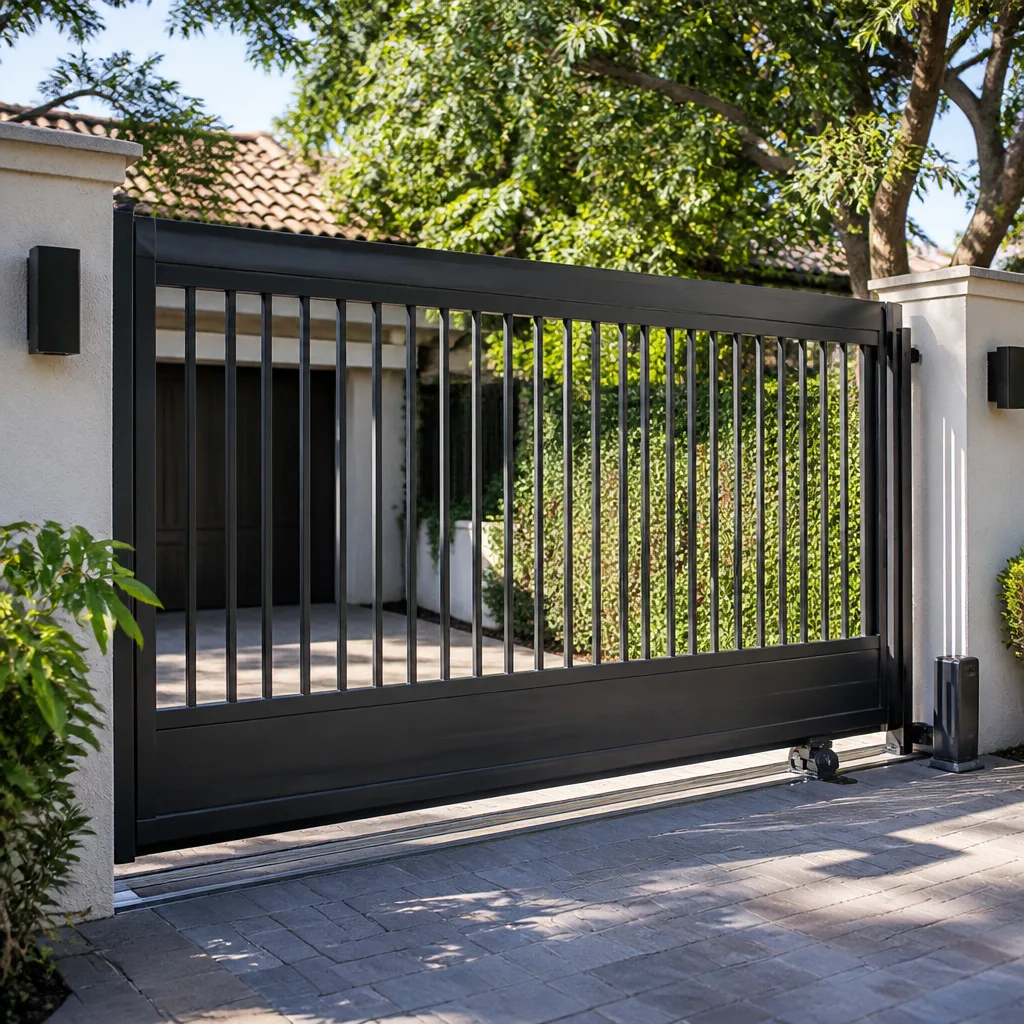 Sliding driveway gates
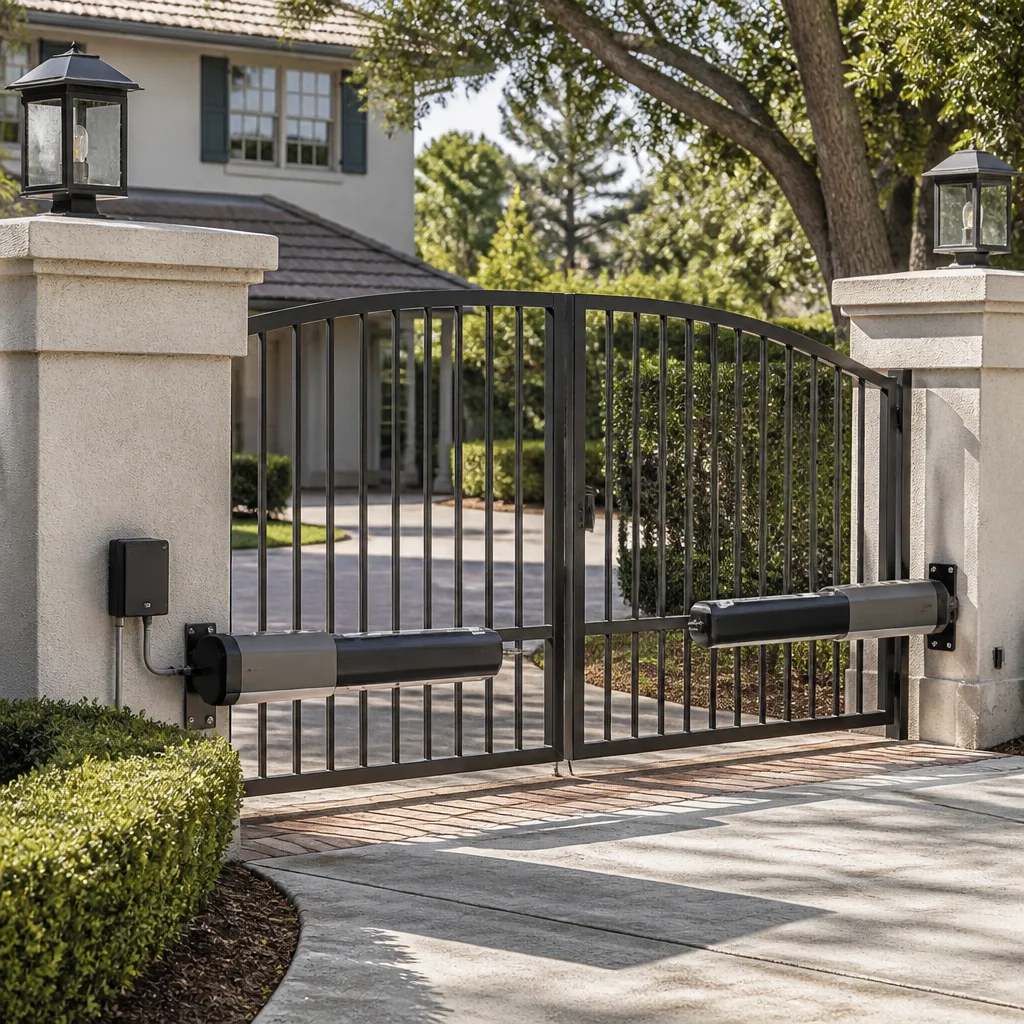 LiftMaster operators
Free on-site gate assessment - hinges, posts, and your LiftMaster or Nice gate operator checked before anything is quoted
The assessment is free and the quote is the invoice.
Get your free estimateStyles & brands we work with
- Wrought iron
- Wood & steel frame
- Farm & ranch
- Sliding driveway gates
- LiftMaster operators
See the difference
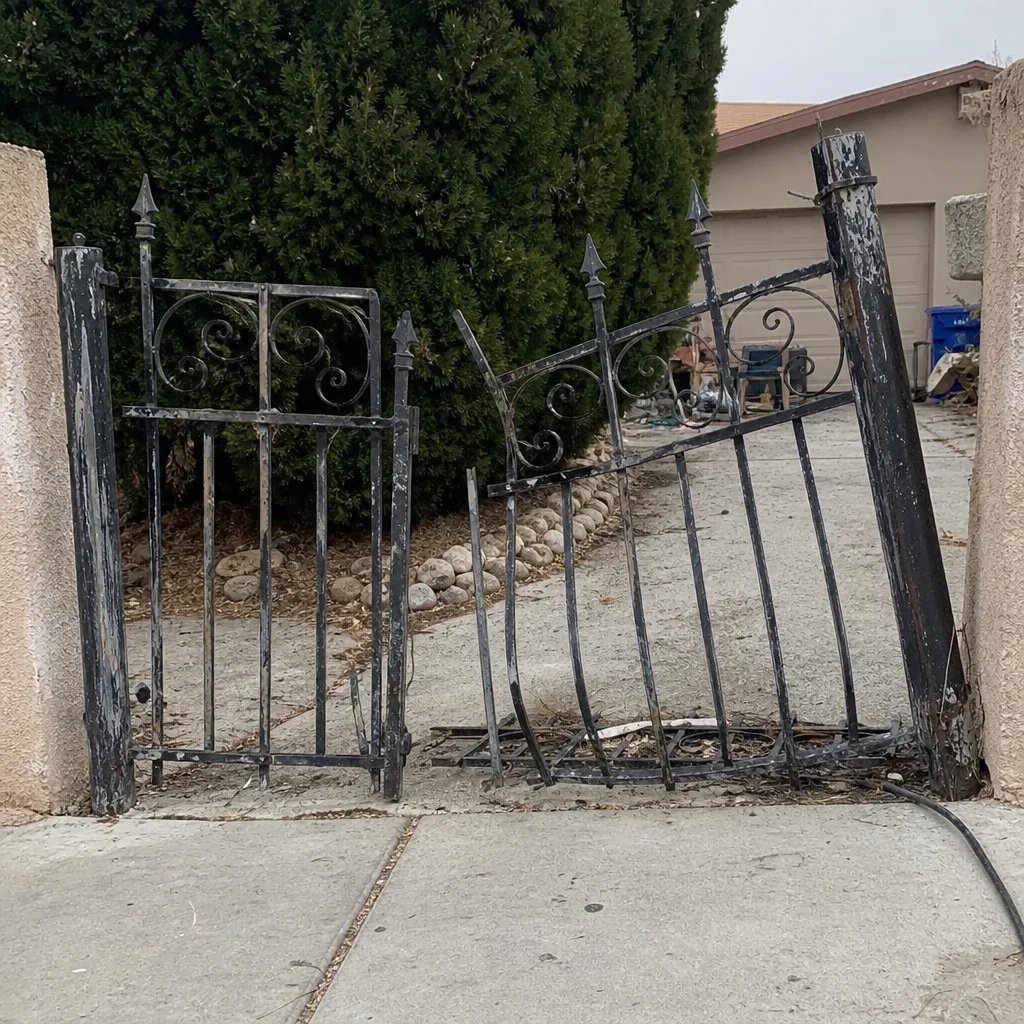 Before
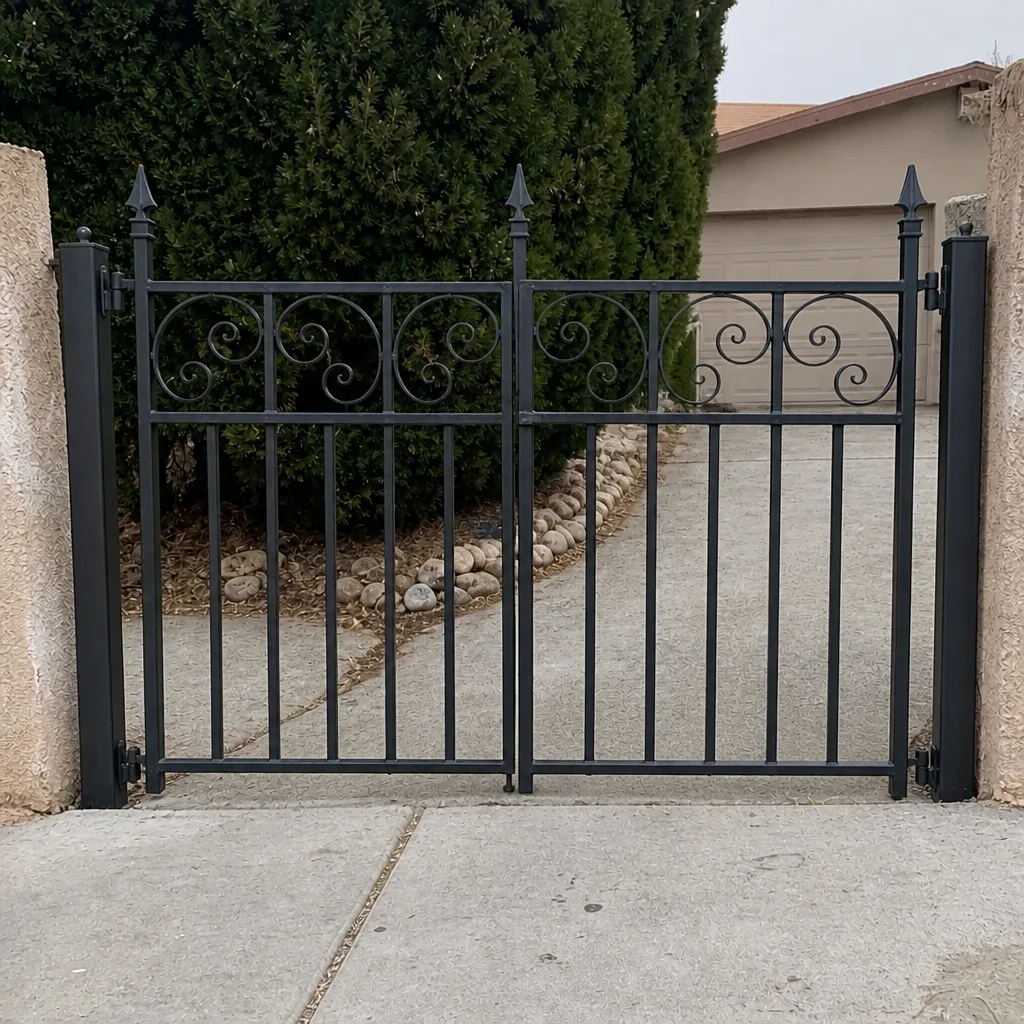 After
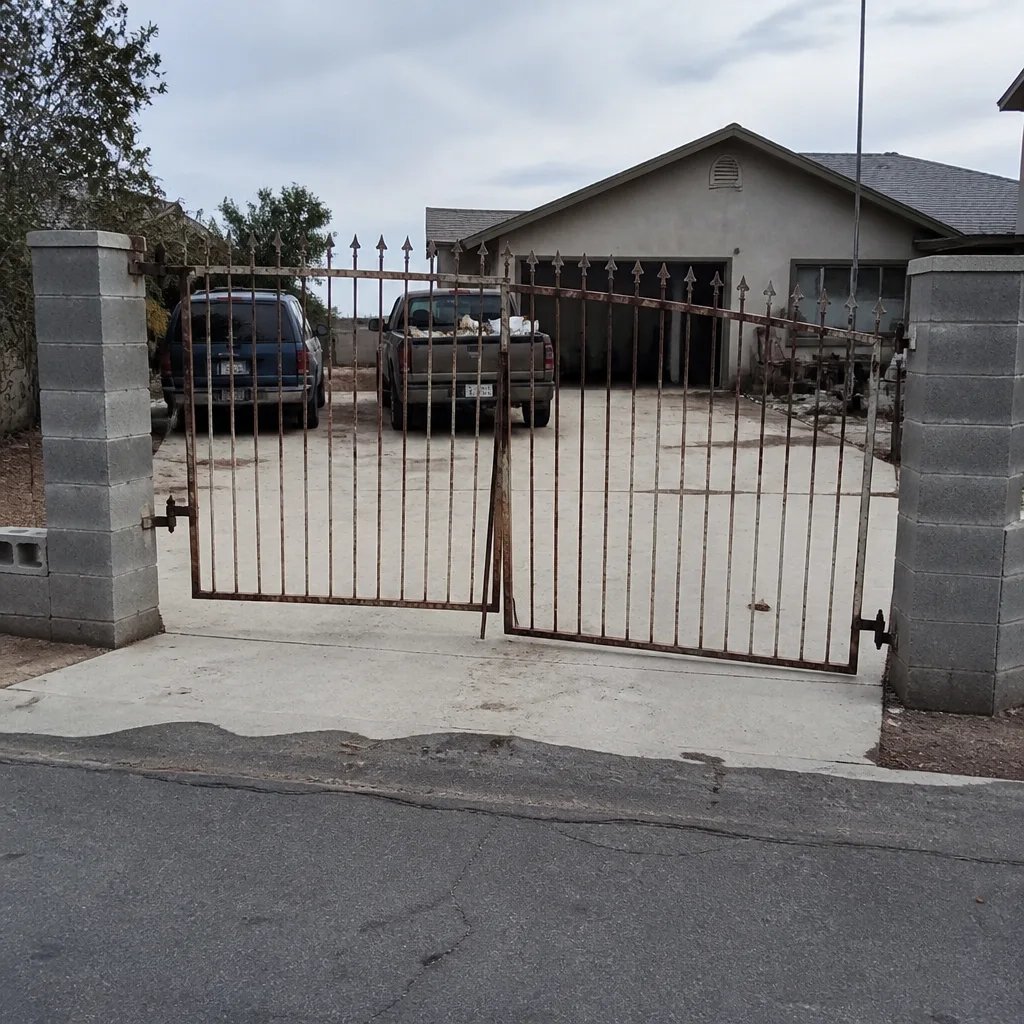 Before
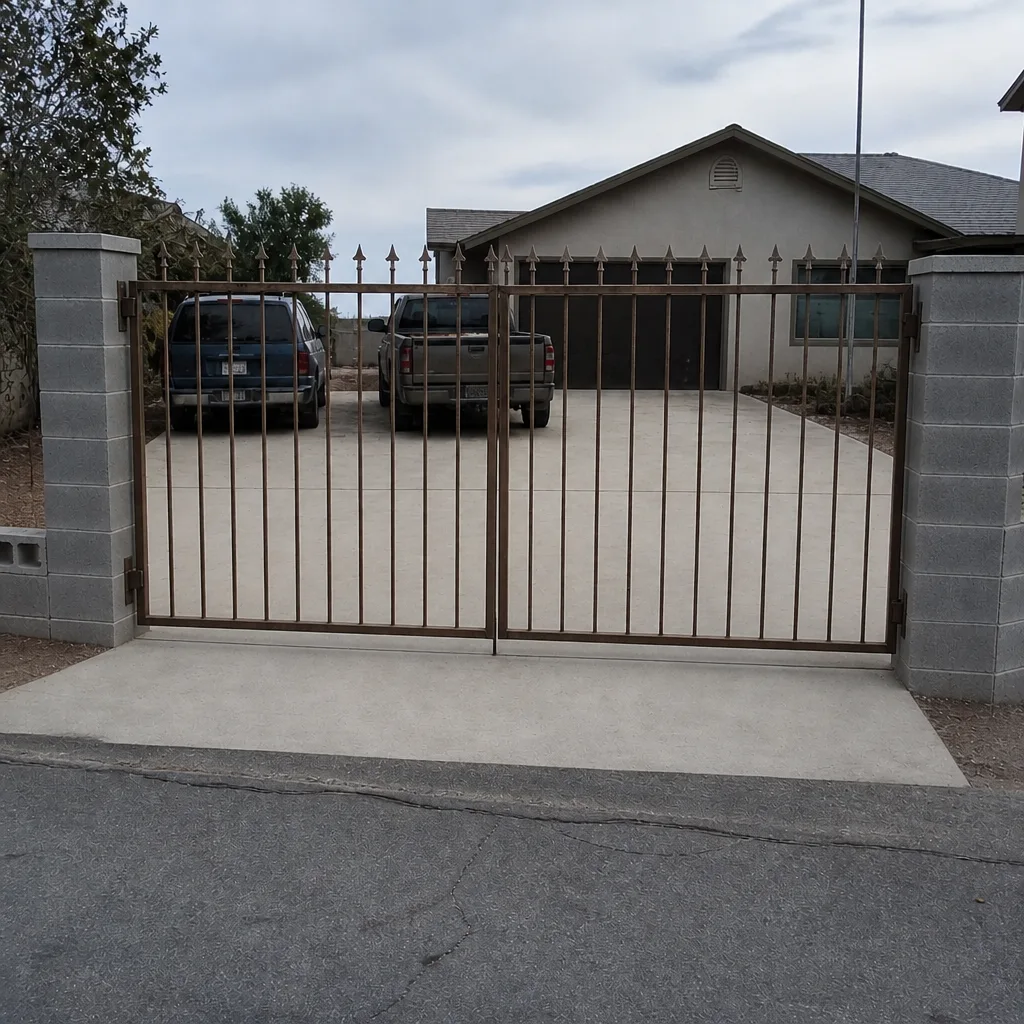 After
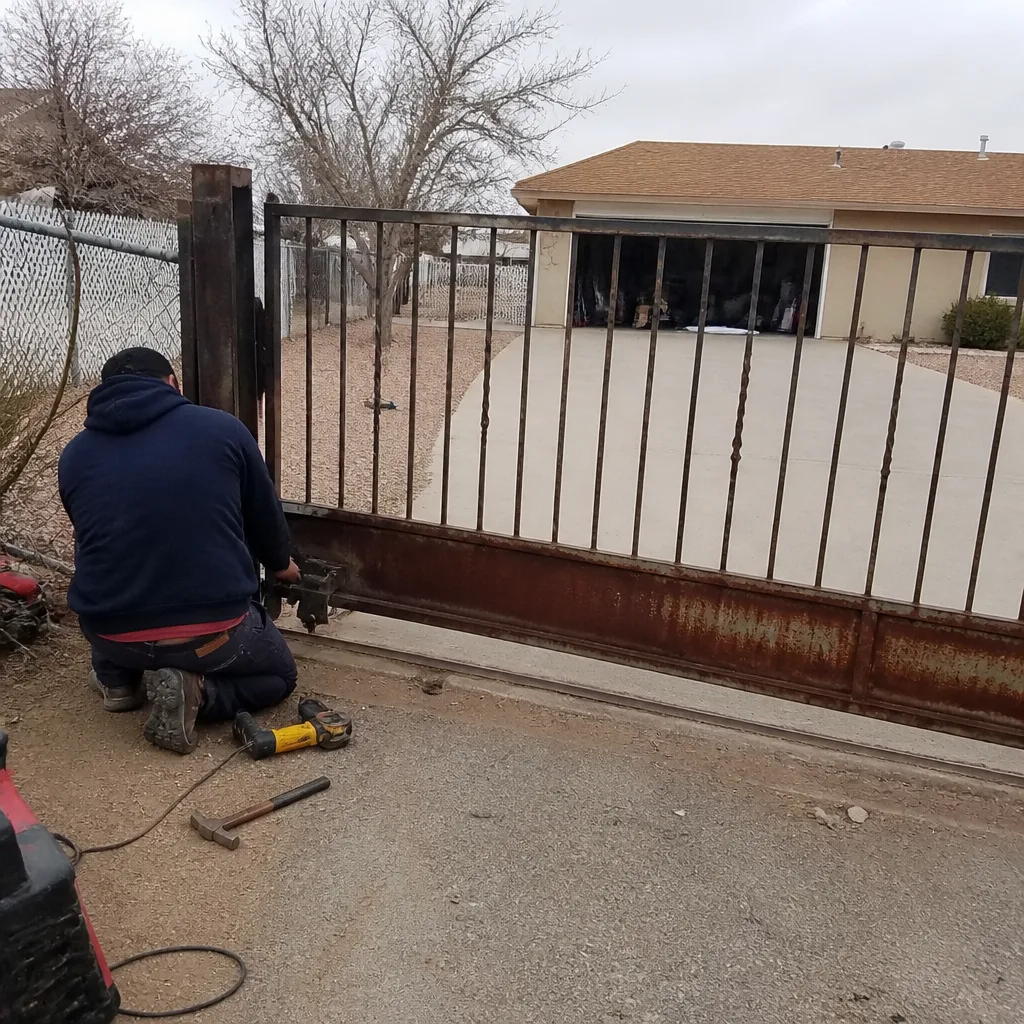 Before
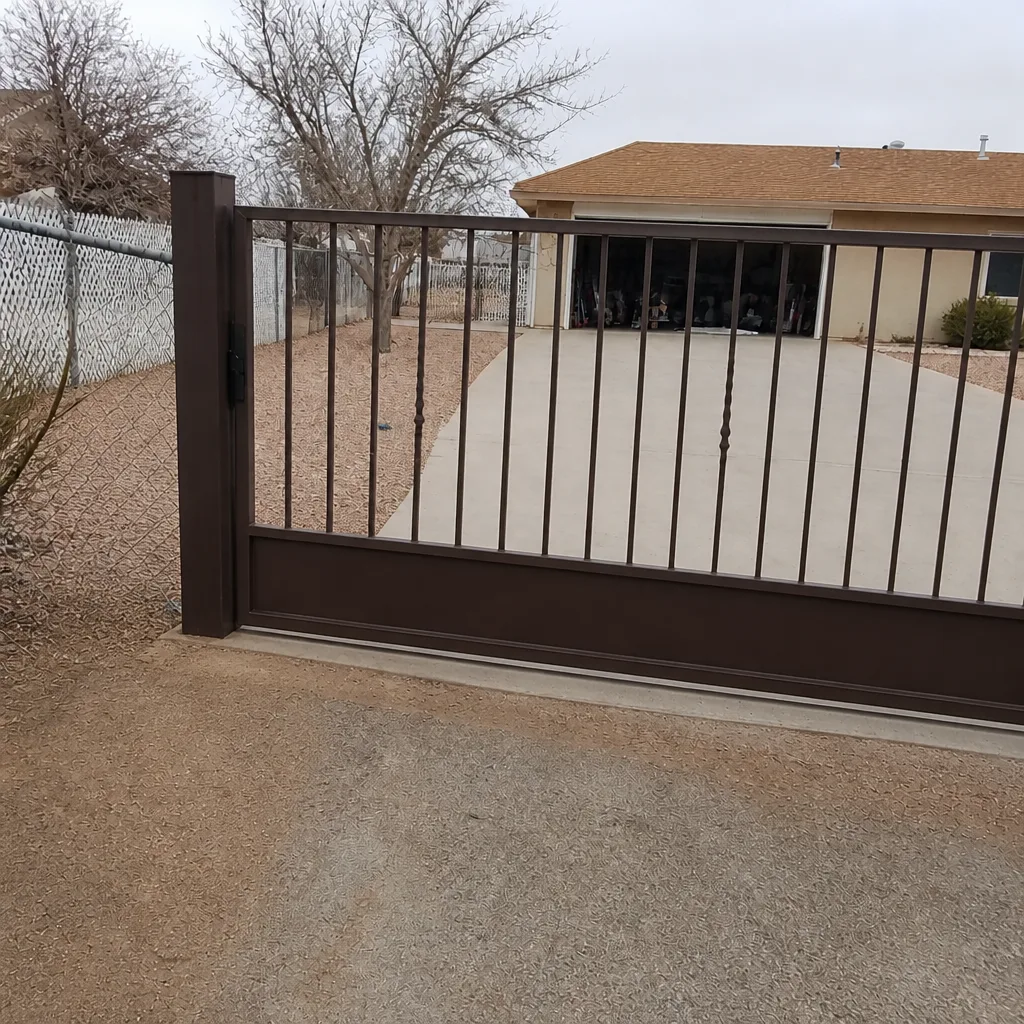 After
The Best Automatic Gate Opener for Boulder City, NV Is the One That Survives 110°F
Choose a commercial-duty operator rated for 110°F ambient or higher, sized to your gate’s actual weight and daily cycle count, unless you have a light, low-traffic gate on a shaded, wired post, in which case a residential-grade unit is fine. In Boulder City, that temperature ceiling is the first filter, not a footnote: several residential operators that run well in milder climates thermal-cut-out every July afternoon on a south-facing driveway. If your gate is already failing in the heat, call (844) 320-7587 and we’ll tell you what we found.
Why “Best” Means Something Different at the Mouth of the Eldorado Valley
Boulder City summer highs routinely top 105°F, and a black steel operator housing sitting in direct sun on a west-facing pillar will run 15 to 20 degrees above the ambient air. That’s the reality generic “best of” lists don’t account for. An operator rated to 110°F ambient isn’t a marketing spec here; it’s the difference between a gate that works at 4 p.m. and one that locks out until the housing cools at dusk.
Most residential-grade operators carry thermal protection circuits that trip somewhere above 105°F. In Phoenix that might be a handful of bad afternoons a year. In Boulder City, it can be daily for six to eight weeks. When we service a gate that “works in the morning but not the afternoon,” the first thing we check is the thermal trip log and the shade profile of the pillar, not the gearbox.
The Four Variables That Decide It Before Price Enters the Conversation
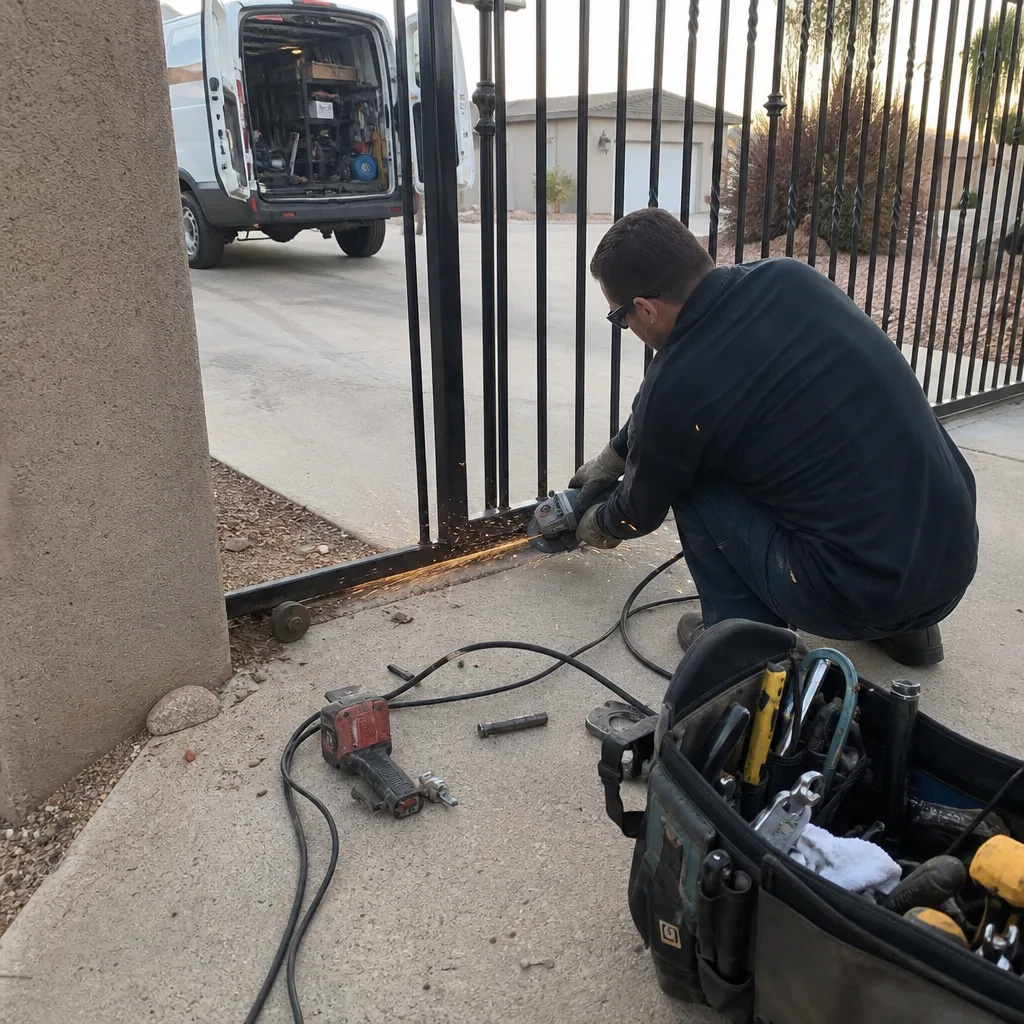
We spec operators around four things, in this order. Most buyers skip straight to price and end up replacing a unit two summers later.
- Gate weight and leaf width. A 250-pound single swing leaf and a 900-pound double-leaf driveway gate are different machines. Undersizing the operator is the number-one cause of premature failure we see on the east side’s larger ranch lots, where wider gates went up in later decades.
- Daily cycle count. A home with two drivers and a dog might cycle the gate 20 times a day. A light commercial yard or a property with a home business might hit 150. Residential-duty boards are built for roughly 25 cycles a day; past that, you’re on borrowed time.
- Ambient temperature ceiling. Covered above, but it’s the deciding factor here. Look for a rated ambient of 110°F or better.
- Wired power at the post. A solenoid lock, photo-eye, and keypad all draw from the operator. If the only power is a 120V outlet 60 feet away, that changes which units are practical before you ever compare brands.
Only after those four are nailed down does brand and price matter. If you’re weighing repair against replacement on an existing unit, our Gate Motor & Opener page walks through the tradeoffs.
BeforeAfterNine Brands, Compared Honestly
We service LiftMaster, FAAC, BFT, Linear, Viking, Ghost Controls, DoorKing, Elite, and Mighty Mule. That range matters for this question, because we’re not steering you toward one brand we happen to sell. Here’s the honest comparison across the categories buyers ask about most:
| Brand | Best Fit | Board Repairable? | Heat Notes |
|---|---|---|---|
| LiftMaster | Residential swing & slide, wired power | Yes, field-replaceable boards | Commercial models handle desert heat well |
| FAAC | Heavy swing gates, commercial duty | Yes | Go-to for sustained 110°F+ exposure |
| BFT | Slide and heavy swing | Yes | Commercial-grade tolerance |
| Linear | Residential swing | Mostly | Mid-range; shade the housing |
| Viking | Residential swing, value tier | Yes | Fine on shaded, low-cycle gates |
| Ghost Controls | Solar residential, no wired power | Limited | Battery chemistry struggles in extreme heat |
| DoorKing | Slide, access control | Yes | Commercial-grade, built for gates that cycle hard |
| Elite | Residential slide | Yes | Shade the housing in full sun |
| Mighty Mule | Light residential, DIY | Often sealed | Not built for Boulder City summers on a sun-facing post |
Ghost Controls is the one to flag for solar setups where there’s no power at the gate post, but the battery pack lives in an enclosure that gets hot, and heat shortens battery life. Mighty Mule is common on lighter residential gates, but many of those units are sealed assemblies with no field-repairable board, so when the board fails, you replace the whole operator rather than the board. That’s the parts-availability factor buyers miss on the front end.
The Parts-Availability Trap
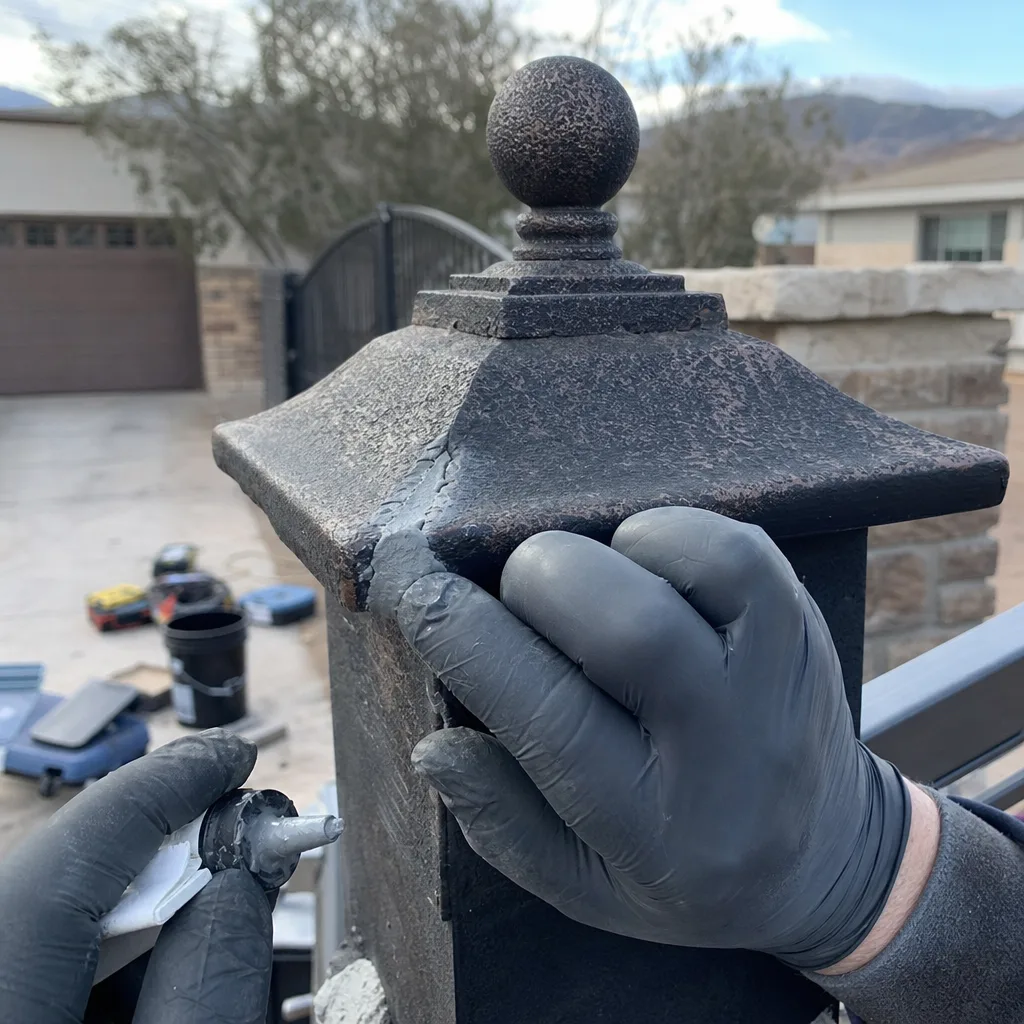
Some residential operators are designed as sealed units. There’s no separate control board to swap, no field-serviceable limit-switch module, no replaceable capacitor. When one component fails, the answer is a new operator. On a commercial-grade FAAC or DoorKing unit, a failed board is a board, not a unit replacement.
That distinction changes your ten-year cost dramatically, and it’s why we ask, before quoting a replacement, whether the current operator has serviceable parts. Sometimes the answer is fix the board, reset the limits, and the gate runs another five years.
What a Proper Installer Documents (And What to Ask For)
When we install an operator, we photograph the limit-switch settings and log the motor torque readings at commissioning. If the same unit fails under warranty, the return technician has a baseline. Without it, nobody can tell whether the fault is a component defect or a slow drift in the environmental settings. That record is the thing to ask any installer for, and it’s what our home page’s Haven Standard is built around: a written price before work, a photo record every visit, and the 365-Day Done Right Promise.
How We Spec and Install an Operator: Step by Step
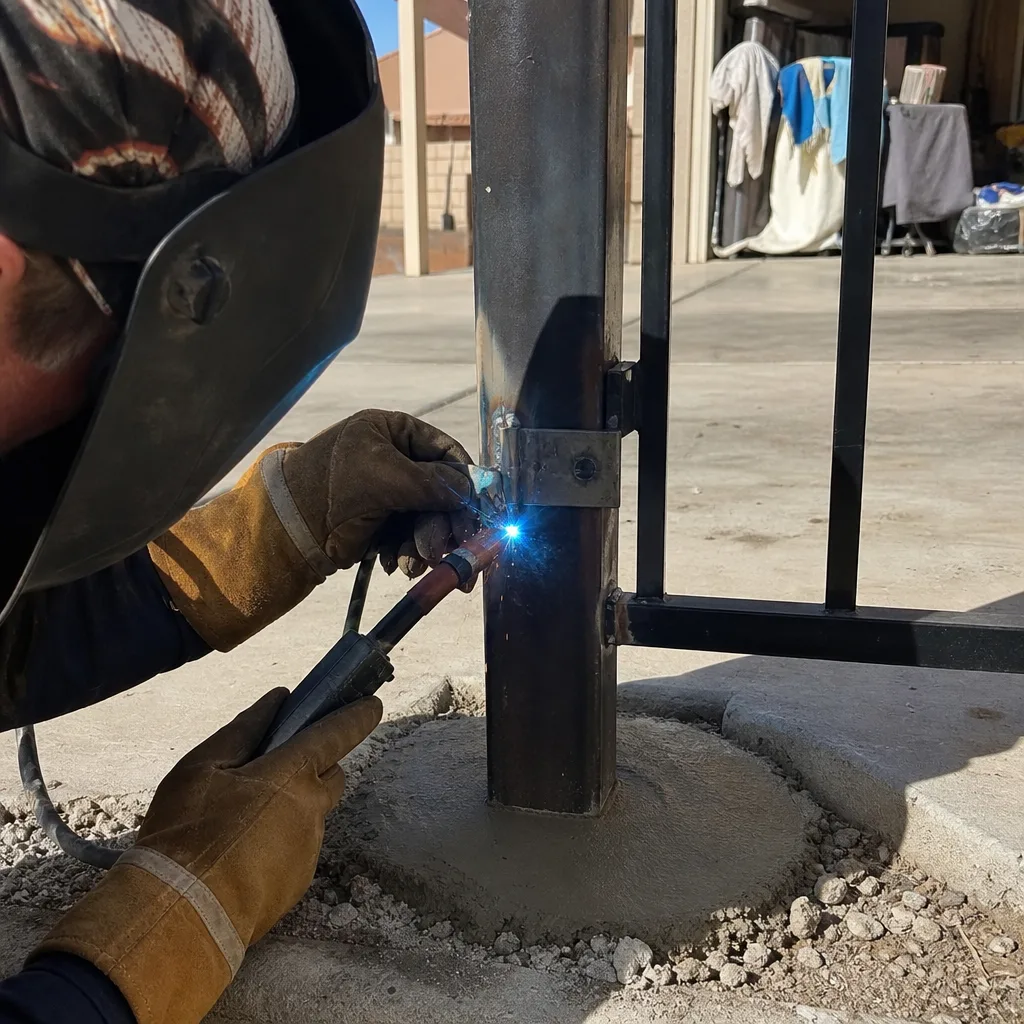
- Weigh and measure the gate. Actual leaf weight, width, and pivot condition, not the manufacturer’s estimate.
- Count daily cycles. A conversation about how often the gate actually opens in your household.
- Check the power source. Voltage at the post, outlet distance, existing photo-eye and lock wiring.
- Assess sun exposure and ambient ceiling. Which face of the pillar bakes in July, and what the operator is rated to handle.
- Write the scope and the price before any tool comes out. Brand, model, cycle rating, ambient rating, documentation included.
- Install, then record. Limit-switch positions and torque readings, photographed and left with you.
What This Looks Like in Boulder City’s Older Neighborhoods
Boulder City’s historic core is full of 1930s-1950s single-story bungalows and federal workers’ cottages, many still carrying original wrought-iron pedestrian gates and wooden garage doors. Those gates were never designed for automation, and a 90-year-old hand-forged hinge doesn’t take a drop-in operator bracket. We fabricate on-site, and where the original hardware has seized, we know dry graphite is the right lubricant, not oil, which gums up in the summer heat.
The 1930s federal-planned layout and historic-district rules also mean front-yard solid walls and inconsistent fence setbacks aren’t an option around Nevada Way and Avenue B. So the operator and its housing have to fit the streetscape, not the other way around. Add the McCullough Range’s spring winds – sustained 30-40 mph gusts are routine – and a lightweight gate can bend off its track entirely. Between the heat and the wind, on a lot in Boulder City, an operator that’s undersized is a warranty claim waiting to happen.
FAQs
A commercial-duty operator rated to 110°F ambient or higher, typically a FAAC, BFT, or commercial LiftMaster slide or swing unit, is the reliable answer for a sun-baked, west-facing pillar. Residential units rated to 105°F will trip their thermal protection on the hottest afternoons. Call (844) 320-7587 to have us check your post’s exposure and give you a written range before you buy.
Repair usually wins if the operator has field-replaceable boards and the motor and gearbox are sound, often a fraction of replacement cost. Replacement makes more sense when the unit is a sealed assembly with no serviceable board, or when it’s repeatedly tripping on heat. We’ll photograph what failed and price both paths in writing. Call us for an exact quote, which is free.
They can, but battery chemistry and controller heat tolerance limit them, and they’re best reserved for gates with no wired power and light daily use. A solar unit on a heavily used, sun-exposed gate in Boulder City will likely need more frequent battery service than a wired operator. If wiring is practical at the post, wired usually wins here.
Often yes, and a live person answers the phone at any hour. We service all nine major automation brands, so we can work on whatever motor is already on your property rather than pushing a replacement. Call (844) 320-7587 and we’ll get a written price to you before anyone picks up a tool.
If you’d rather have it looked at, Vance Gate Repair Boulder City offers a no-pressure assessment in Boulder City. Call (844) 320-7587 for a free estimate, and we’ll name what we found, what it costs, and what we left behind.
Written by the team at Vance Gate Repair Boulder City, serving Boulder City, NV.