
Last updated November 18, 2026
 Wrought iron
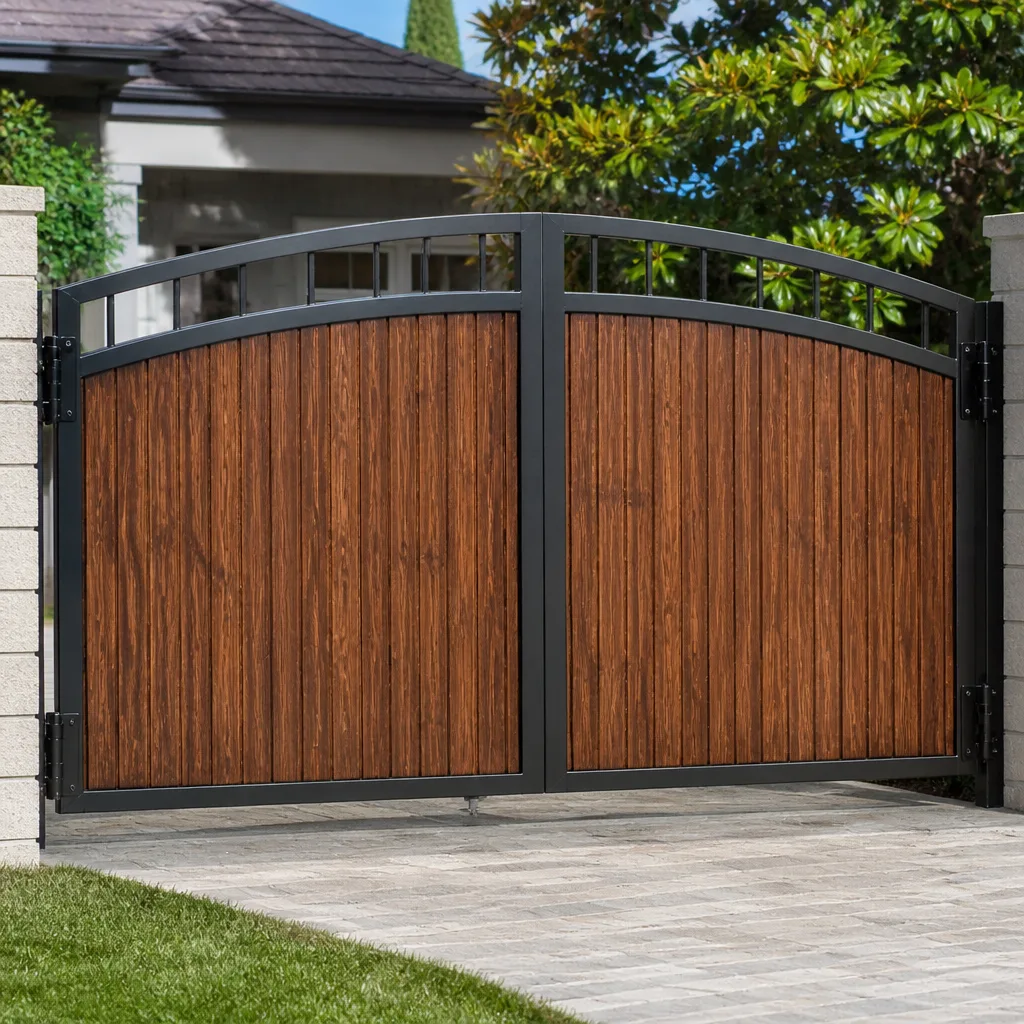 Wood & steel frame
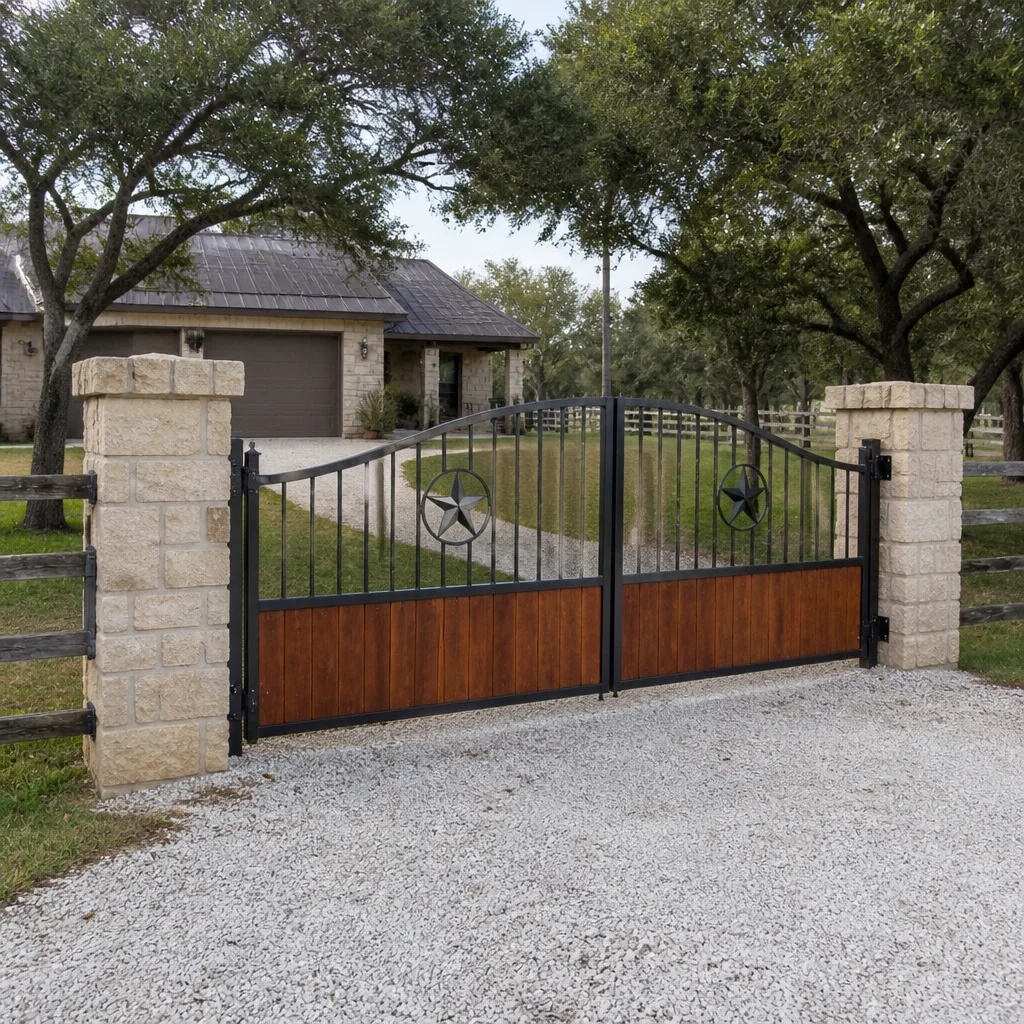 Farm & ranch
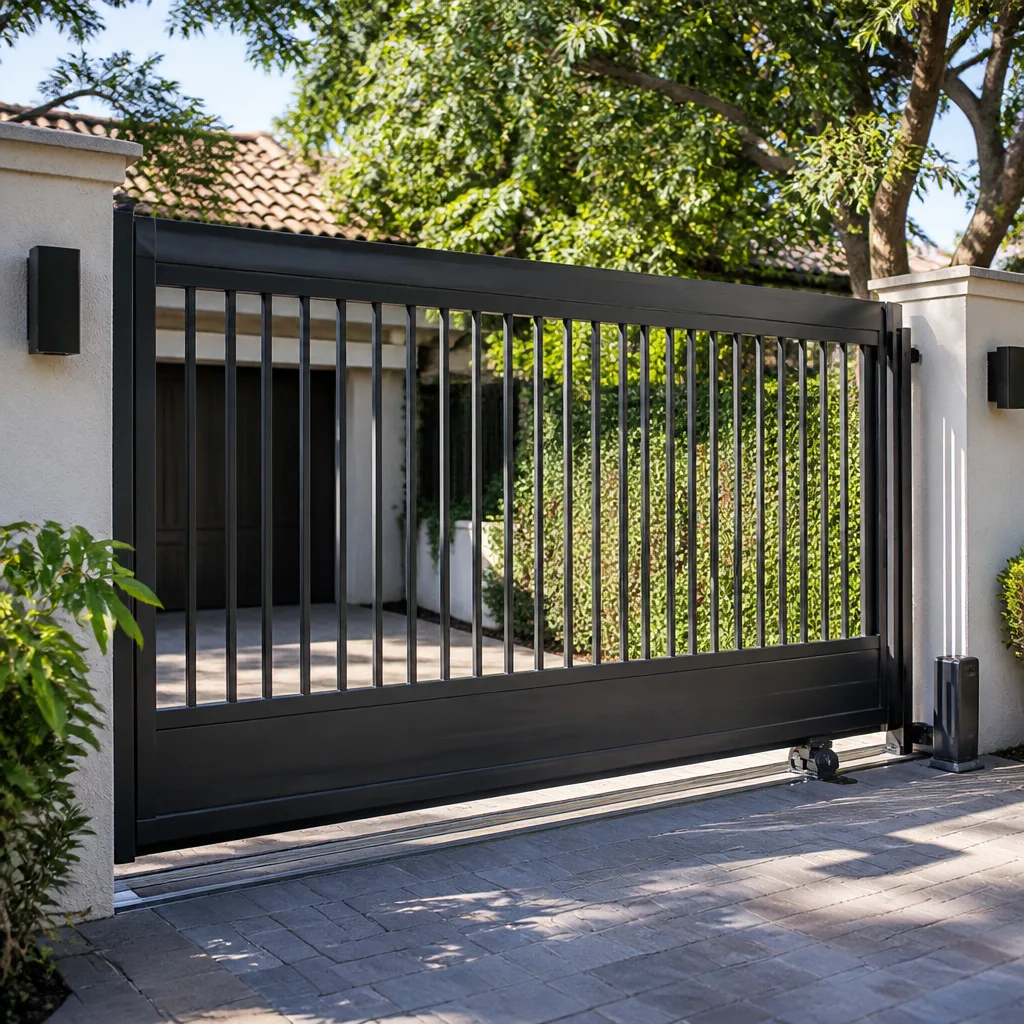 Sliding driveway gates
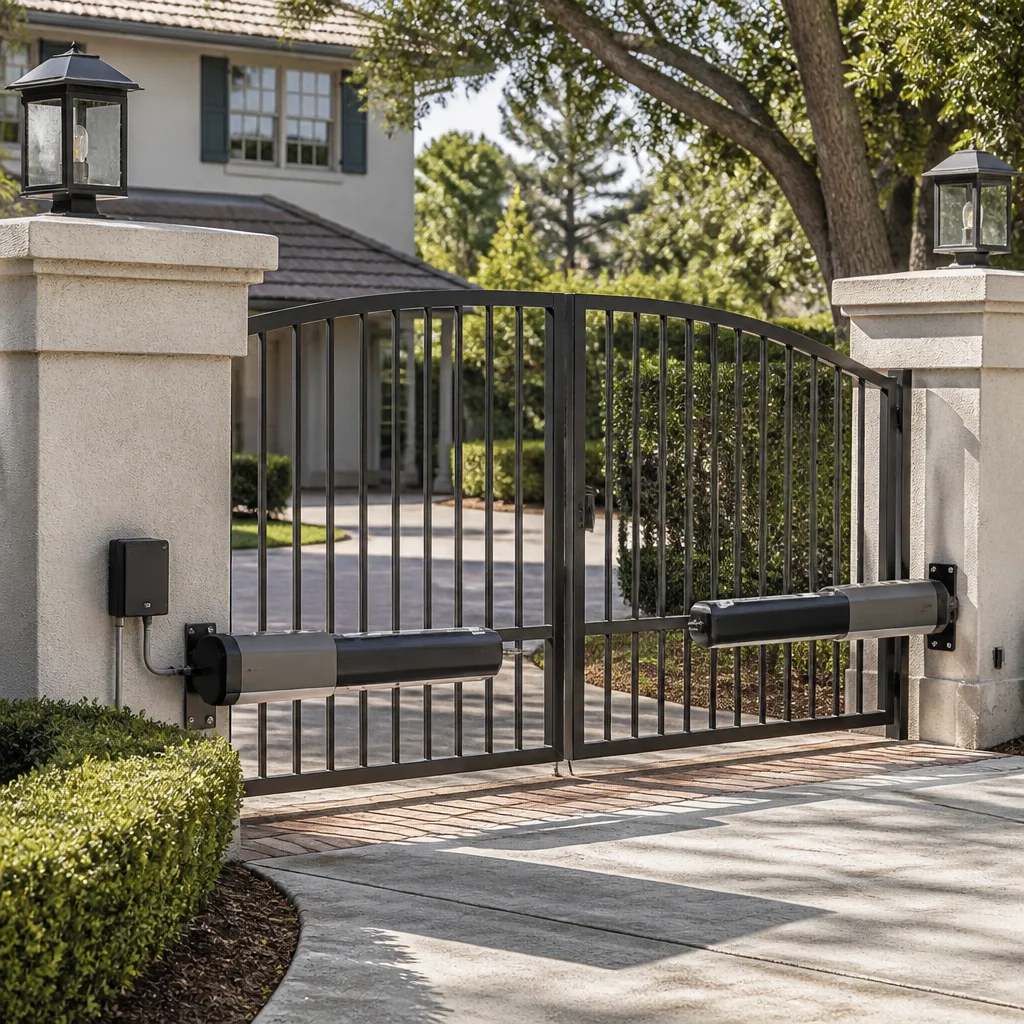 LiftMaster operators
Free on-site gate assessment - hinges, posts, and your LiftMaster or Nice gate operator checked before anything is quoted
The assessment is free and the quote is the invoice.
Get your free estimateGate Repair Permits, Codes & Inspections in NV: What You Need to Know
Nevada doesn’t care if you replace a broken hinge. It may care a great deal if you replace the operator. That single line, between repair-in-kind and new construction, is where surprise inspection fees live. Most homeowners in Boulder City never learn the difference until a vehicle has already struck a gate arm and an insurer starts asking who installed the motor. This guide maps the permit triggers we see in the field: what Clark County and Boulder City actually require a building permit for, what counts as like-for-like repair, how HOA approval stacks on top of municipal approval, where UL 325 compliance lands on a replacement versus a repair, and how to get your contractor to put permit status in writing before anyone picks up a tool.
Quick Answer
In Nevada, repairing an existing gate, hinge, latch, or operator of the same make and model on the same footing generally does not require a building permit. Replacing a gate with a different size, weight, or swing path, or installing a new automated operator where none existed, usually does require a permit and a UL 325 compliance check, and Boulder City properties in HOAs need separate architectural approval regardless. Get the permit status in writing before the job starts.
Styles & brands we work with
- Wrought iron
- Wood & steel frame
- Farm & ranch
- Sliding driveway gates
- LiftMaster operators
Table of Contents
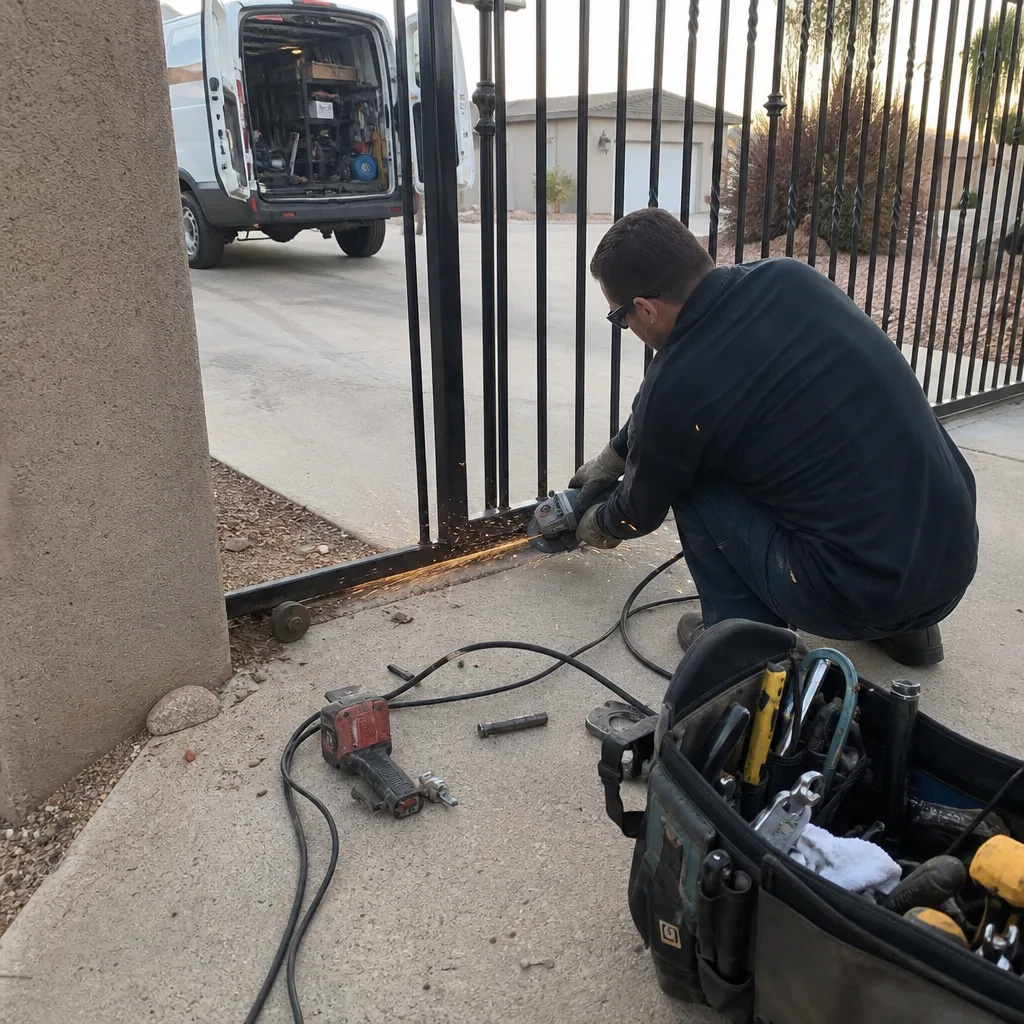
- What actually triggers a gate permit in Nevada
- Repair-in-kind versus new work: where the line sits
- HOA approval in Boulder City: the extra layer
- UL 325 and automated operators: repair versus replacement
- What happens to an insurance claim when work wasn’t permitted
- How to ask a contractor to document permit status
- The inspection itself: what inspectors look for
- Common mistakes to avoid
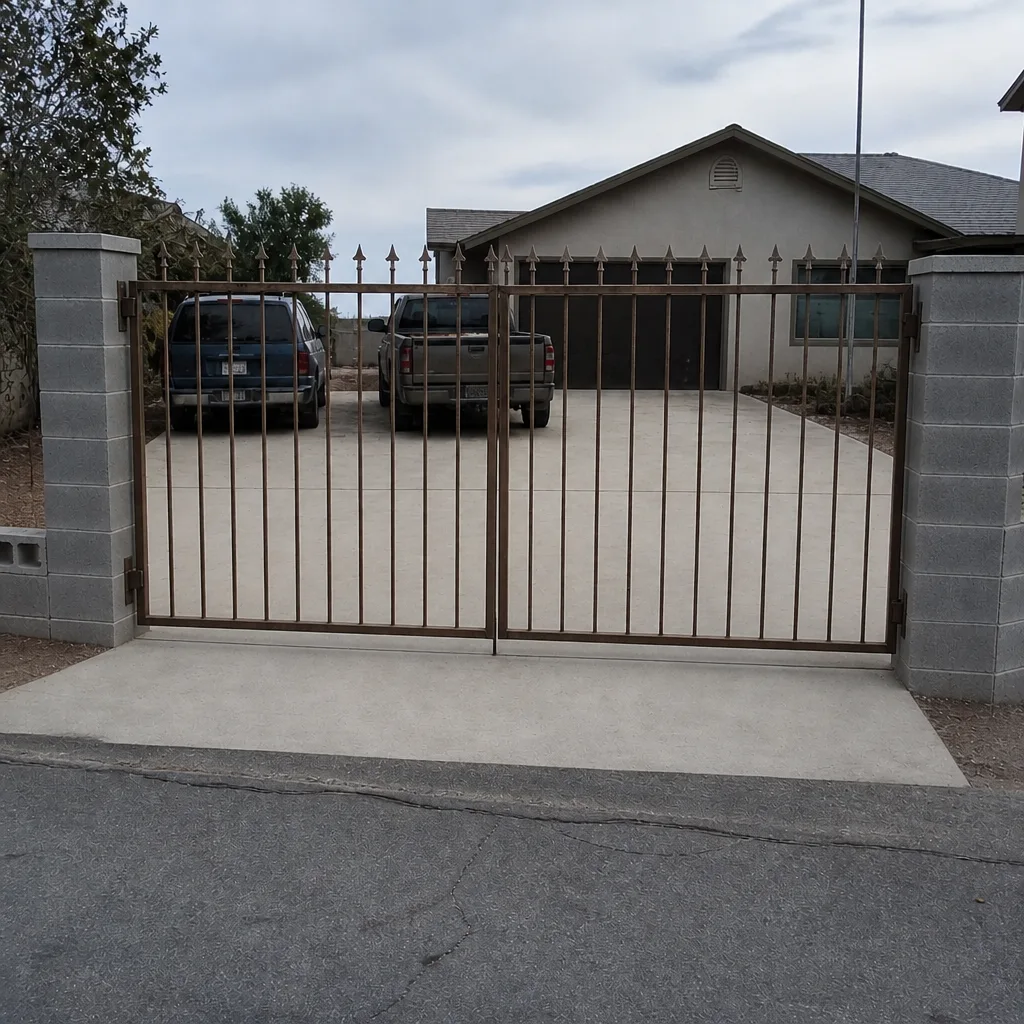
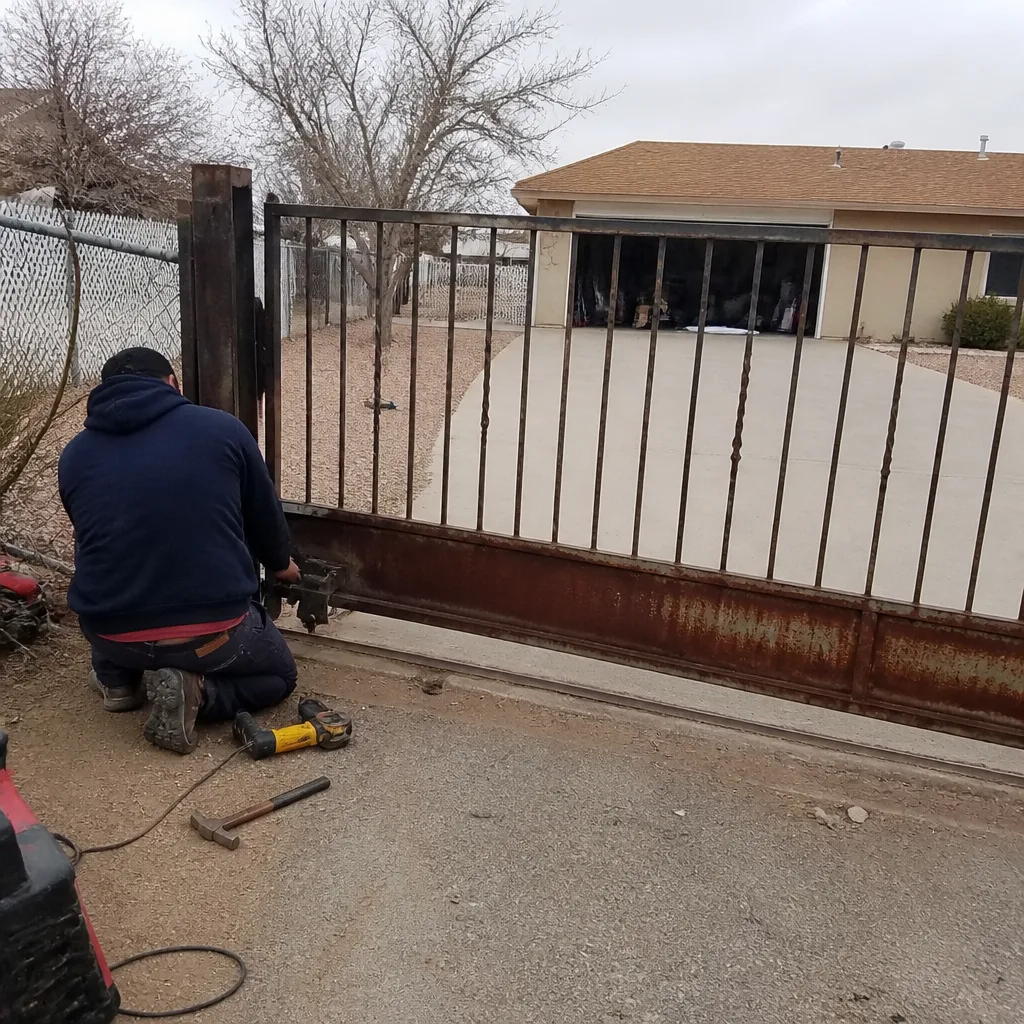
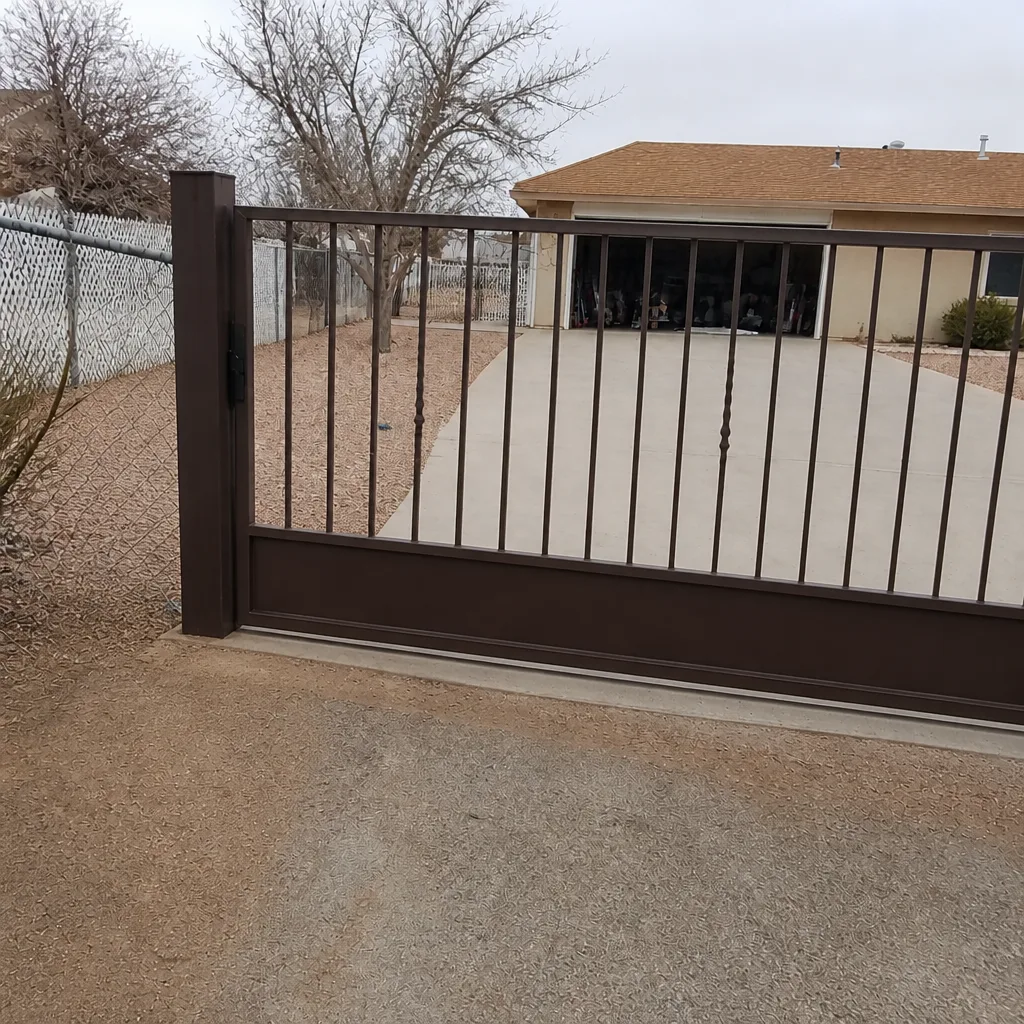
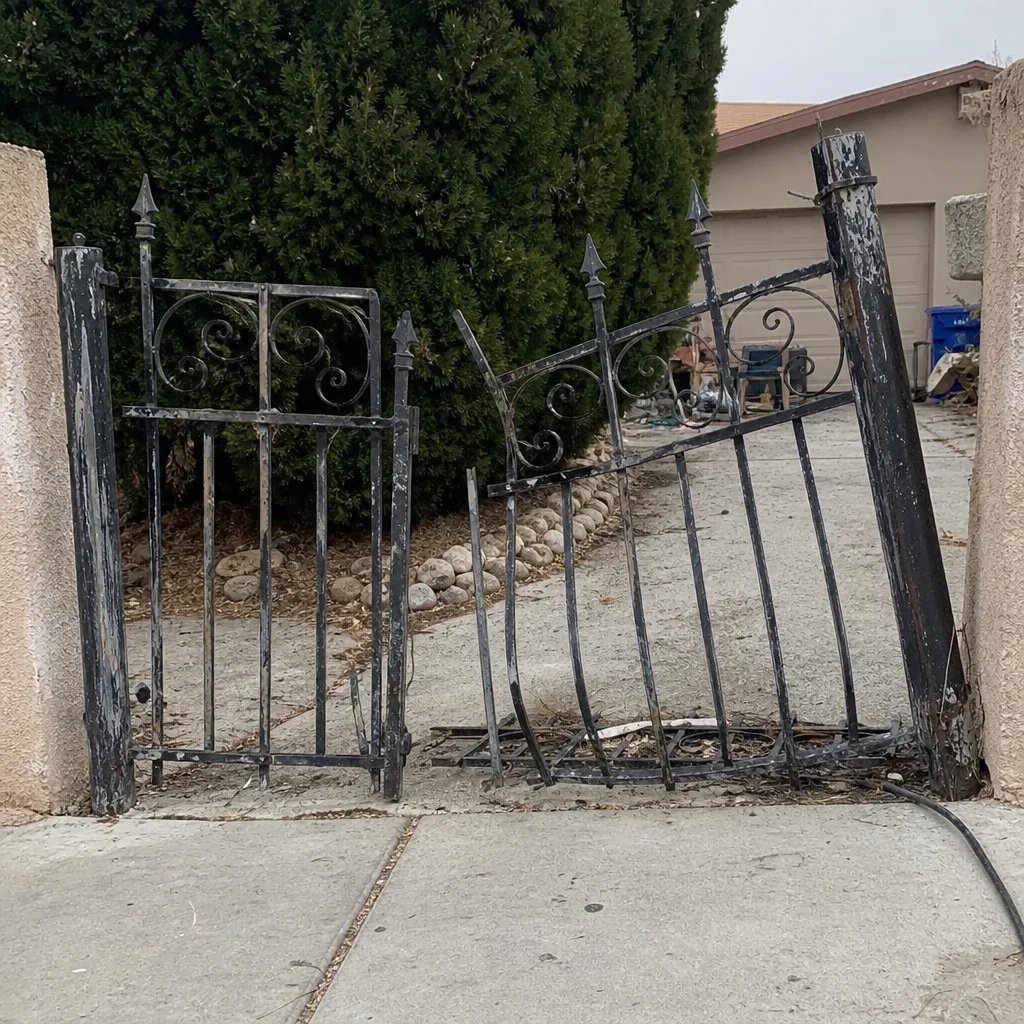 Before
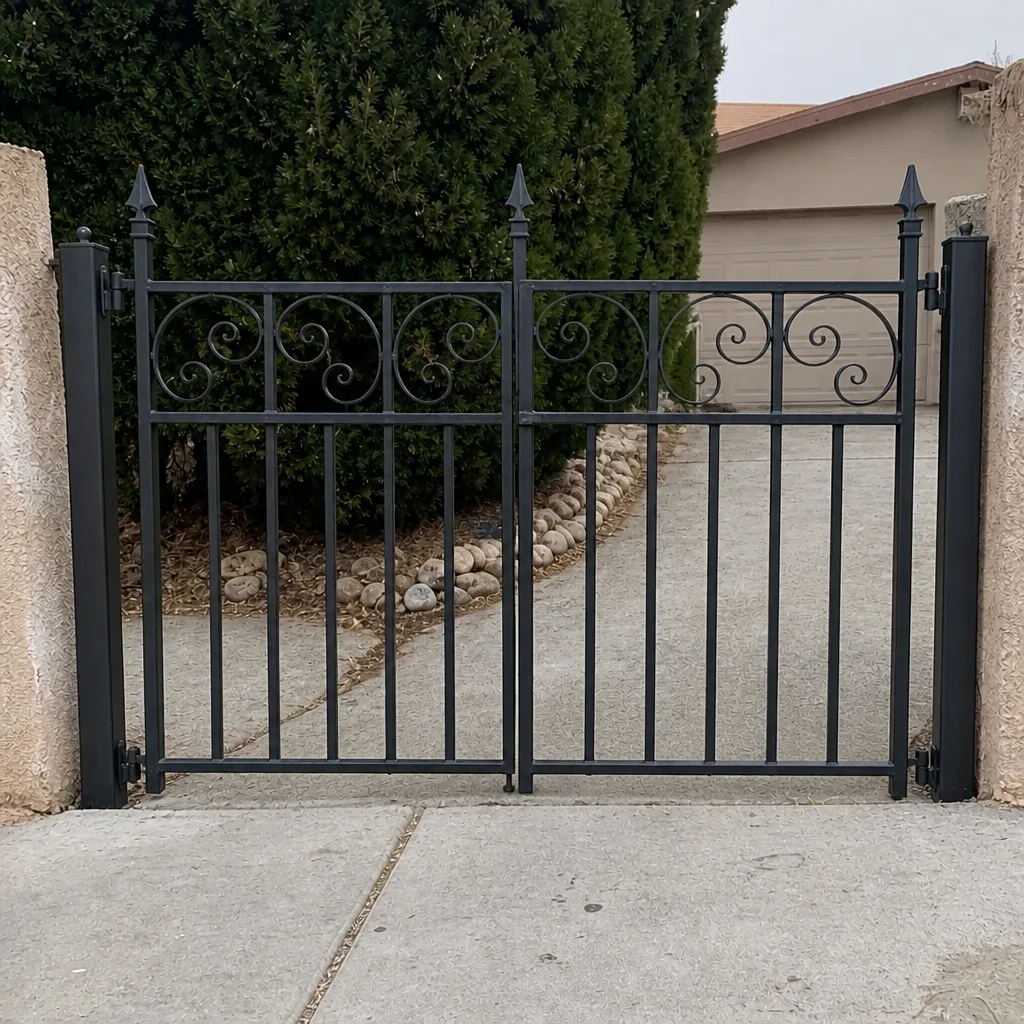 After
What Actually Triggers a Gate Permit in Nevada
Nevada building codes are adopted at the state level and enforced at the local level. In Boulder City, that means the city’s building department applies the adopted International Building Code and International Residential Code, which is where gate and fence permitting actually lives. The trigger is almost never the word “gate.” The trigger is whether the work changes the structural envelope, the electrical load, or the safety envelope of the property.
Here is the practical list of what we’ve seen pull a permit in Boulder City and the surrounding Clark County areas:
- Any new automatic gate operator where one did not previously exist. This requires an electrical permit (and often a building permit for the mounting structure).
- Replacing a gate with a different size, weight, or swing direction – even if it looks similar.
- New fencing or gate structures over 6 feet in height in most residential zones, and over 3 feet in the front setback.
- Any work on a property line where a survey is required.
- Vehicular gates on a commercial or multifamily property, regardless of size.
- Adding or altering electrical circuits to power an operator, photo-eye, or keypad.
What typically does not require a permit: swapping a broken hinge, replacing a bent roller, repairing a latch, replacing a board in a LiftMaster or DoorKing operator with the same manufacturer’s part, re-securing a fallen gate post that hasn’t moved from its set location, or routine lubrication and adjustment. Replacing a gate motor with the identical make and model on the same bracket is the murky middle, and that’s where we recommend having the conversation with the Boulder City building department before work starts.
If you’re not sure which side of the line your job falls on, our gate repair team in Boulder City will tell you in writing what we found and whether it requires a permit.
Repair-in-Kind Versus New Work: Where the Line Sits
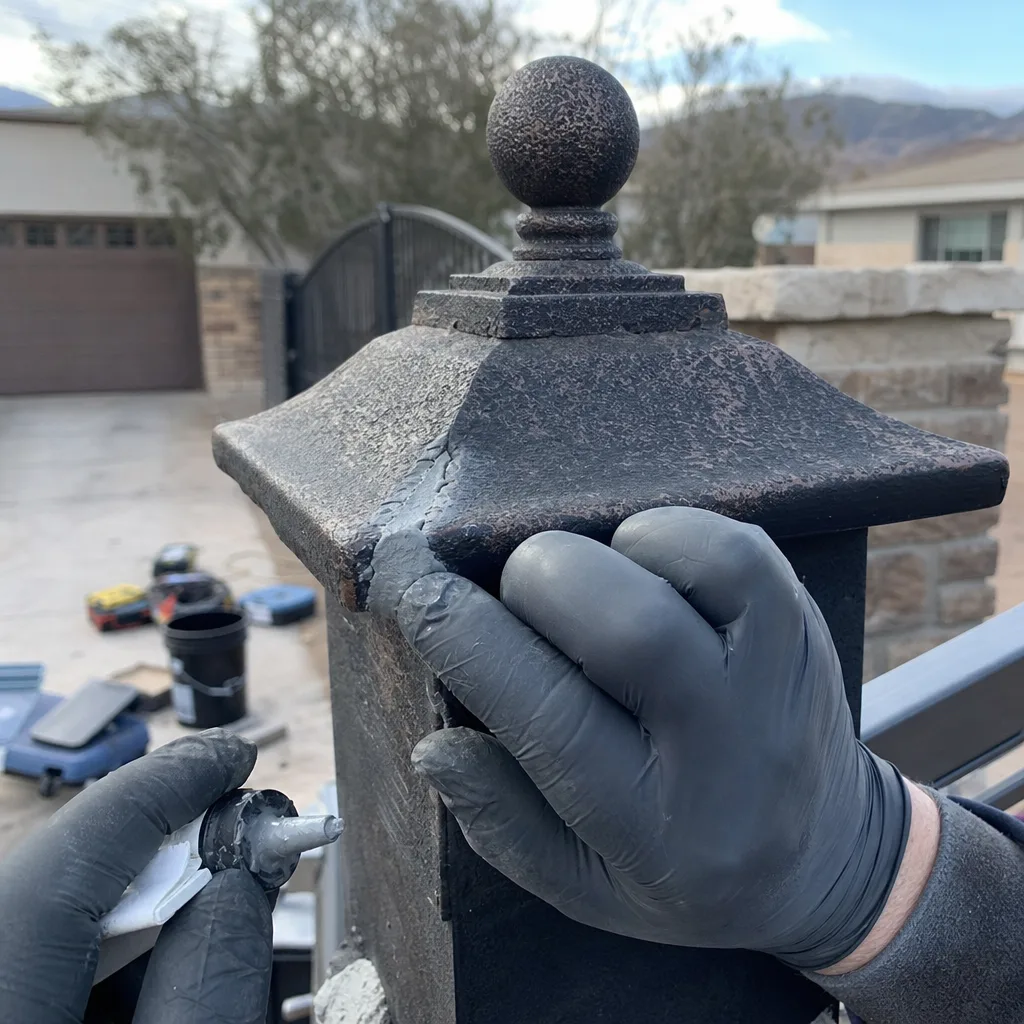
“Repair-in-kind” is the trade phrase that determines almost every permit decision we’ve ever walked a homeowner through. It means: putting back what was there, with the same dimensions, the same material, and the same function. Like-for-like. When a job qualifies as repair-in-kind, the work is treated as maintenance. When it doesn’t, it’s treated as construction.
- Same dimensions plus same material plus same function = repair-in-kind. No permit needed in most Boulder City residential cases.
- Same dimensions but different material (steel gate replaced with aluminum, or vice versa) = usually a permit, because the load and wind rating change.
- Same gate but new operator brand = usually needs an electrical permit, and always needs a UL 325 re-verification.
- Same gate, same operator, new location = permit. You’ve changed the structural footprint.
- Same gate, new safety devices added = no permit, and always worth doing.
The gray area in Boulder City has one specific quirk: our wind exposure. Southern Nevada’s spring gusts regularly reach 40 mph, and the adopted code’s wind-load calculations apply to gate installations the same way they apply to patio covers. If you’re replacing a gate panel with a heavier one and the posts haven’t been engineered for it, a permit inspector may ask for a load calculation. That calculation costs money. We’ve seen homeowners surprised by a $400 engineering fee because the replacement gate looked identical to the original but wasn’t actually the same weight.
If you’re weighing a full replacement against a repair, the gate installation page for Boulder City walks through what a like-for-like swap actually involves.
HOA Approval in Boulder City: The Extra Layer
Some of the most frustrating gate disputes in Boulder City have nothing to do with the building department. They’re HOA matters. Boulder City has a handful of deed-restricted communities where any visible change to a driveway gate, fence height, or gate color requires architectural review committee approval before you can even file for a municipal permit.
The two layers are independent. Municipal approval without HOA approval gets you a built gate and a violation notice. HOA approval without municipal approval gets you a built gate and a stop-work order. You need both, and the order matters: HOA review usually takes 2 to 6 weeks in Boulder City, and the building permit process can’t start meaningfully until the HOA signoff is in hand.
What HOAs in Boulder City typically regulate around gates:
- Color and finish (most require one of two or three approved palettes)
- Height and opacity (an 8-foot solid-panel gate frequently fails review)
- Style consistency (barbed, pointed, or industrial safety designs are usually prohibited on residential frontage)
- Operator visibility from the street
- Attachment method to existing walls or posts
One detail we’ve learned the hard way: some Boulder City HOAs treat a motorized gate as an “improvement” that requires the same submittal package as a wall extension, including a site plan. Build that into your timeline. The HVAC-style “we’ll just add it” approach doesn’t work when a motor is involved.
UL 325 and Automated Operators: Repair Versus Replacement
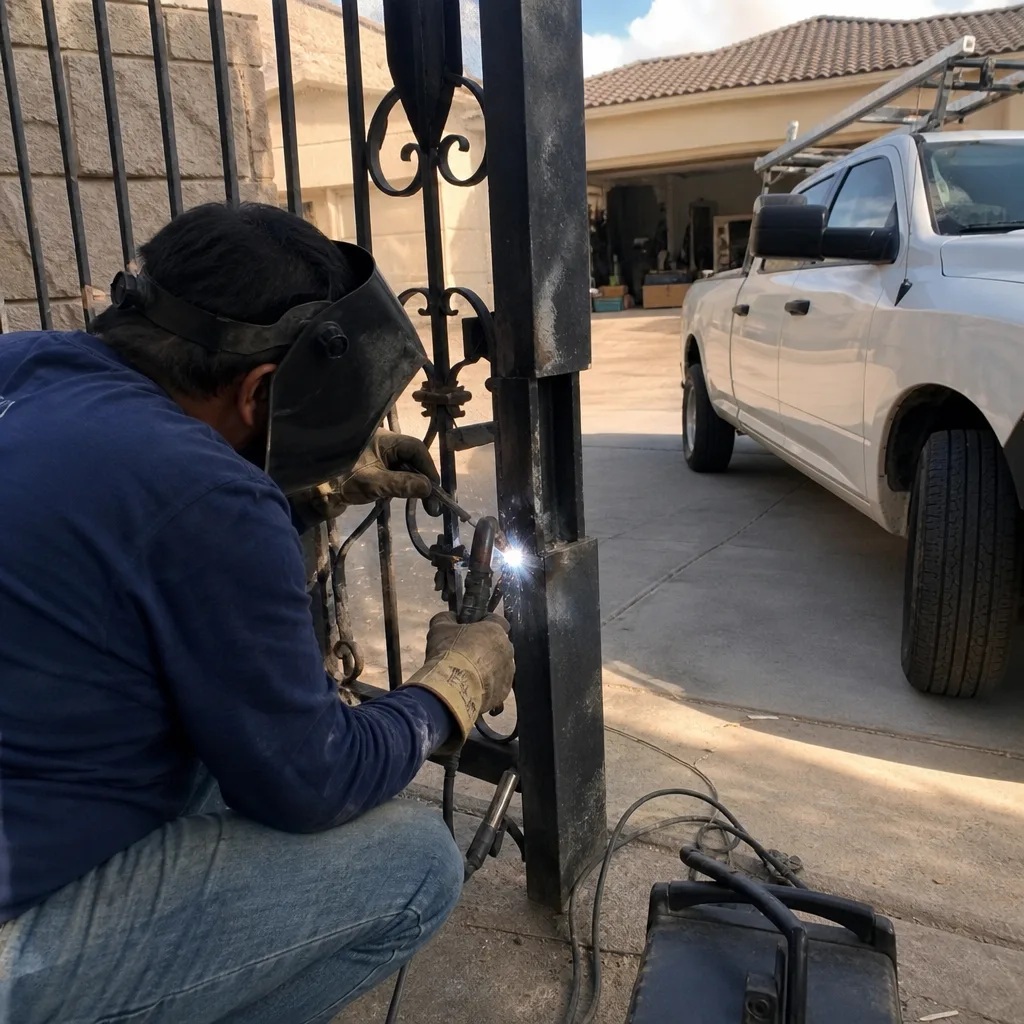
UL 325 is the safety standard that governs automated gate operators in the United States. It’s the reason a modern operator has a photo-eye, an entrapment protection device, and specific signage on the gate itself. In Nevada, compliance with UL 325 is not technically a permitting issue for a repair, but it becomes a permitting and inspection issue the moment an operator is replaced or a new one is installed.
The rule of thumb we apply on every replacement job:
- Repairing an operator to spec (board swap, limit switch reset, photo-eye realignment, arm adjustment) – no permit, no UL 325 modification required, existing devices stay in service.
- Replacing the operator with the same make and model – typically needs a permit and requires the installer to verify the existing photo-eyes, safety edges, and signage still meet UL 325 for the new unit. DoorKing and LiftMaster both publish specific compliance requirements per model, and they’re not identical.
- Replacing the operator with a different brand or model – full UL 325 re-verification. Sometimes the existing safety edge isn’t compatible with the new unit and needs replacing. That cost is real and frequently hidden from the initial quote.
- Adding automation to a manual gate – full UL 325 installation and permitting. This is the biggest job on the list, and the one where we see the most homeowner surprise.
Vance Gate Repair services nine major gate-automation brands, including DoorKing, Elite, Mighty Mule, and LiftMaster, so the unit already on your property is usually one we can work on rather than steer toward replacement. If you do need a motor swap, the Boulder City gate motor and opener page breaks down what a compliant replacement includes.
What Happens to an Insurance Claim When Unpermitted Gate Work Is Discovered
This is the part of the guide most homeowners don’t think about until it’s too late. If a vehicle strikes an unpermitted automatic gate and a liability claim follows, the insurer’s first question is going to be whether the installation complied with applicable code and UL 325. If it didn’t, the claim can be reduced or denied entirely.
The scenario we’ve seen play out (thankfully rarely, but consistently):
- A homeowner replaces a swing-gate operator themselves or through an unlicensed installer without a permit.
- The new operator doesn’t have a properly aligned photo-eye, or the entrapment protection was disabled during installation.
- Six months later a child on a bicycle rides through the gate path and the gate closes on them.
- The insurer’s adjuster pulls the permit record for the property. There isn’t one.
- Coverage for the resulting injury claim is contested.
Whether your specific policy responds depends on your carrier and policy language. What we can say with confidence: the presence or absence of a permit record is discoverable, and its absence never helps the homeowner. A gate repair that’s properly documented is a gate repair that’s insurable. If you’re replacing anything electrical on the property, treat the permit as part of the job cost.
How to Ask a Contractor to Document Permit Status
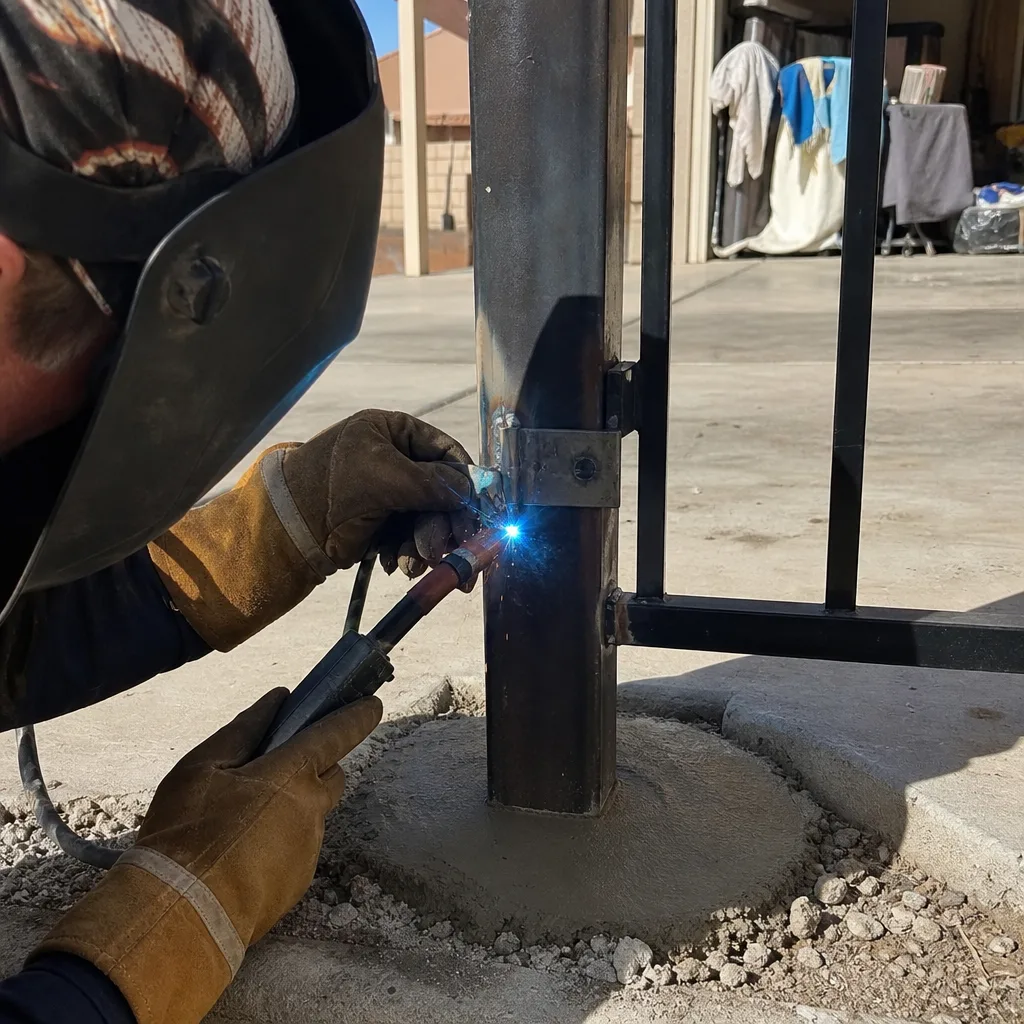
This is where the difference between a serious gate company and a handshake operation shows up. You shouldn’t have to guess whether your contractor pulled the permit. You should have it in writing, in the estimate, before any work starts. Under the Haven Standard that governs every Vance Gate Repair job, the written price is delivered before we pick up a tool.
Here is what to demand in writing from any gate contractor in Boulder City:
- A line item on the written estimate stating one of three things: “Permit required – included at $X,” “Permit not required for this scope because [reason],” or “Permit to be pulled by homeowner.” No ambiguity.
- The permit number itself once the permit is issued, with the issuing jurisdiction named (Boulder City, Clark County, etc.).
- UL 325 compliance statement on any operator replacement, specifically naming the entrapment protection devices tested.
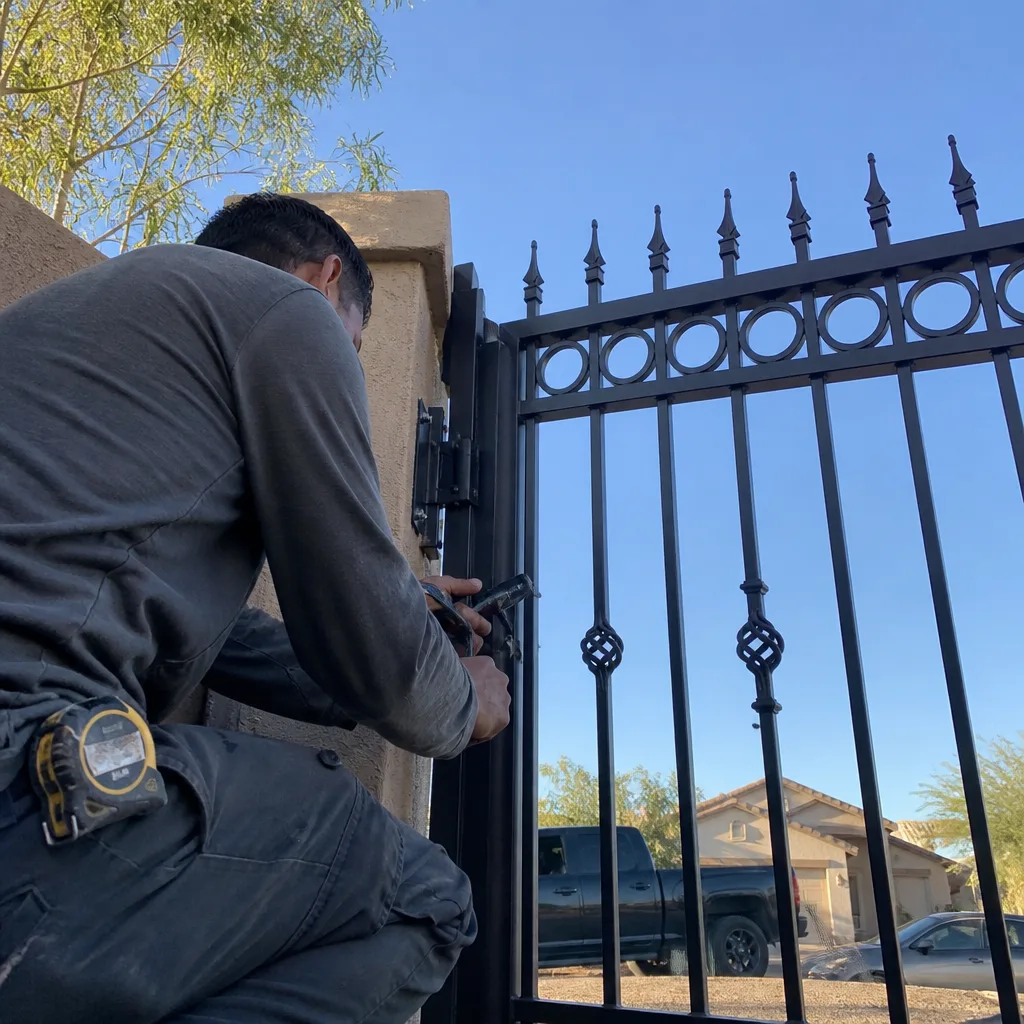
- Photo record of the pre-existing installation and the completed work, timestamped. This is what protects you if a future inspection or insurance claim questions the installation.
- Signed scope of work that matches the permit application. If the two diverge, the permit is worthless.
- Closure/inspection sign-off from the jurisdiction once the job is done, if the permit required an inspection. Get a copy.
If a contractor pushes back on this, that’s your answer. Documentation is not an unreasonable ask; it’s the minimum standard for work that touches a motor, a safety device, or a structure.
The Inspection Itself: What Inspectors Look For
If your Boulder City gate job required a permit, the inspection is typically quick and specific. Inspectors aren’t there to evaluate aesthetics; they’re there to verify code and safety. Expect a 15-30 minute visit.
What they check on an operator replacement:
- Electrical connection and grounding (bonding conductor, conduit, GFCI where required)
- Photo-eye alignment and coverage of the gate path
- Safety edge presence and function on sliding gates
- Entrapment signage on the gate and on the control box
- Manual release mechanism access and operation
- Limit switch settings (they’ll watch the gate cycle through)
- Mounting bracket and post integrity
What they check on a structural replacement:
- Post footing depth and diameter as specified on the permit
- Material spec compliance with the submitted plans
- Height and setback compliance
- Attachment method to existing structures
The most common failure we see in Boulder City inspections is photo-eye misalignment that develops between install and inspection. Our technicians use a laser alignment check before requesting the final inspection, and we photograph the aligned position so there’s no disagreement about what was set.
Common Mistakes to Avoid
- Assuming a motor swap is a repair. It isn’t. It’s a permit-triggering electrical job. Even if you’re swapping a LiftMaster to another LiftMaster, the Boulder City building department wants to know.
- Skipping HOA review for a “minor” gate change. HOAs treat operator additions and color changes as improvements, not maintenance. Get the signoff before you buy the motor.
- Accepting a verbal “we’ll take care of the permit.” Get it in the written scope. If it’s not in the paperwork, it’s not happening.
- Not checking UL 325 on a used-operator purchase. Secondhand operators bought off marketplace or Craigslist frequently come with disabled safety devices. An inspector will flag them.
- Ignoring wind-load on a heavier replacement gate. Southern Nevada spring gusts routinely hit 40 mph. A heavier gate on original posts can fail a load check.
- Letting a permit expire mid-job. Boulder City permits carry an expiration window. If materials are back-ordered for weeks, verify the permit hasn’t lapsed before install.
- Forgetting the photo record. If a future technician has to reopen the motor, the previous installer’s photos are the only reliable record of what was set. Ask for them.
See the difference
BeforeAfter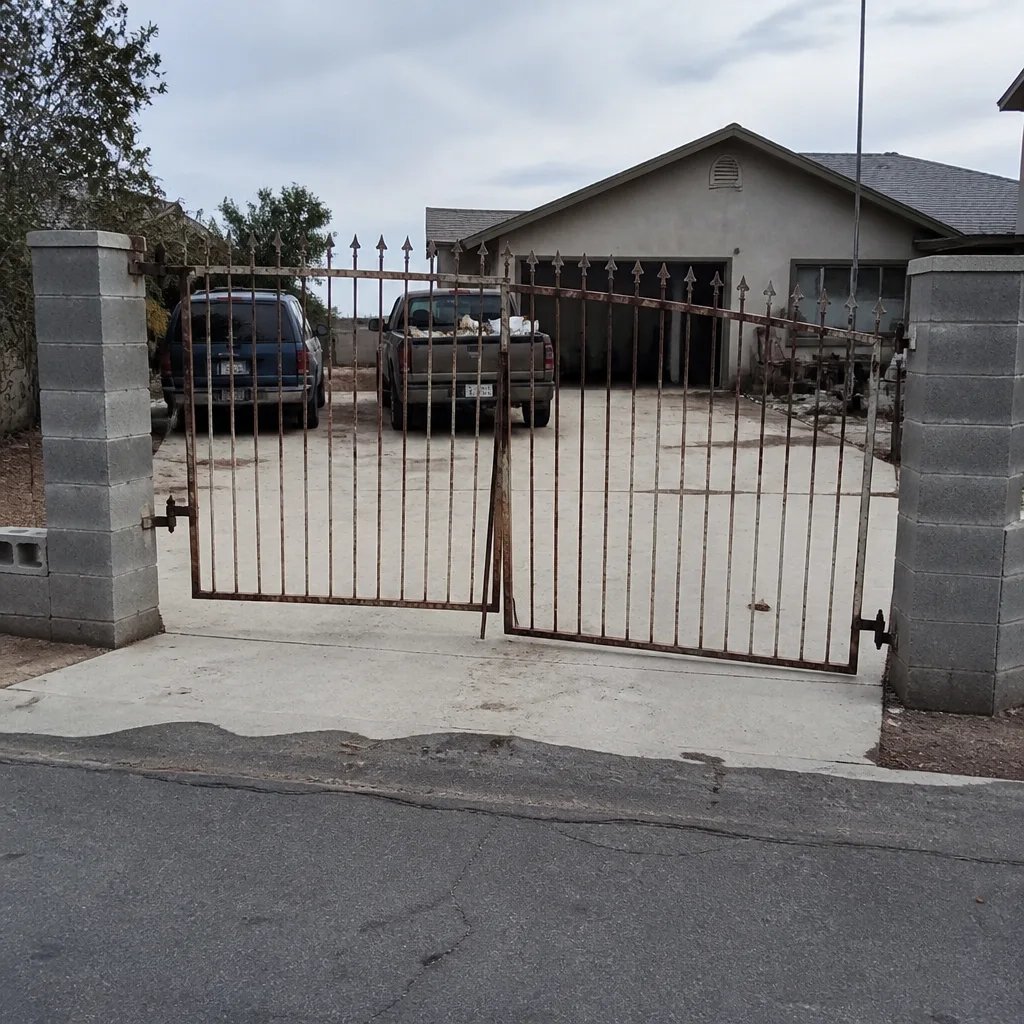 Before
 After
 Before
 After
When to Call a Professional
Call a licensed gate technician before you touch a permit-requiring job yourself. That includes any operator replacement, any electrical work at the gate, any structural change to posts or panels, and any situation where the gate has already caused an injury or damage. High-tension springs, live electrical circuits, and heavy swing-gate arms are not DIY territory; we’ve walked homeowners through the aftermath of a spring failure and it isn’t worth the saved labor. If you’re unsure whether your job needs a permit, that uncertainty alone is a good reason to call. Our Boulder City gate repair team offers free estimates across Boulder City; call (844) 320-7587 and we’ll tell you what the job qualifies as and what documentation you should have in hand.
Frequently Asked Questions
Yes, in almost every case. Replacing a gate operator requires an electrical permit and a UL 325 compliance verification, even when the new unit is the same make and model as the old one. The repair exceptions apply to internal components like boards, limit switches, and photo-eyes, not the operator assembly itself. Call (844) 320-7587 for a free estimate that includes the permit line item in writing.
No. Repairing a hinge, latch, roller, or similar mechanical component that puts the gate back to its original function is treated as maintenance and does not require a permit in Boulder City or the surrounding Clark County areas. The trigger is a change in size, material, function, or the electrical system, not a like-for-like component swap.
Residential electrical permits for a gate operator typically clear in a matter of days to a couple of weeks in Boulder City, but HOA approval (where applicable) can add 2 to 6 weeks on top. Build the timeline into your project plan before ordering the operator, not after. For assistance walking through a specific timeline, call (844) 320-7587.
UL 325 is the United States safety standard for automated gate operators. It governs the photo-eyes, safety edges, entrapment signage, and manual release requirements that keep an automatic gate safe to operate. Any new or replaced operator in Boulder City needs to be verified against UL 325 at installation, and any operator without the required protections can be flagged in an inspection or contested in an insurance claim.
Possibly, depending on the policy. If liability or injury arises from an unpermitted gate installation, the insurer can reduce or deny the claim because the work didn’t meet applicable code and UL 325 requirements. Having a permit record and a documented installation protects you. Call (844) 320-7587 before any gate electrical work so the permit status is clear from the start.
No. HOA architectural approval and municipal permits are separate processes, and Boulder City HOAs with gate restrictions require their own signoff regardless of what the building department approves. An HOA violation from a permitted installation is still an HOA violation. Get both approvals before work begins.
The Bottom Line
Most Boulder City gate repairs don’t need a permit. The exceptions – any new or replaced operator, any change to gate size, weight, or swing, any new electrical run, and any new structure over the height threshold – do, and skipping them can cost you in inspection fees, HOA violations, or a contested insurance claim. The three things to walk away with: a written estimate that names permit status, an HOA signoff if your property is deed-restricted, and a photo record of the completed work. Get those in writing, and the permit question stops being a surprise. Call (844) 320-7587 for a free estimate; we’ll put the permit status in writing before anyone picks up a tool.
Written by the team at Vance Gate Repair Boulder City.