
Last updated November 18, 2026
 Wrought iron
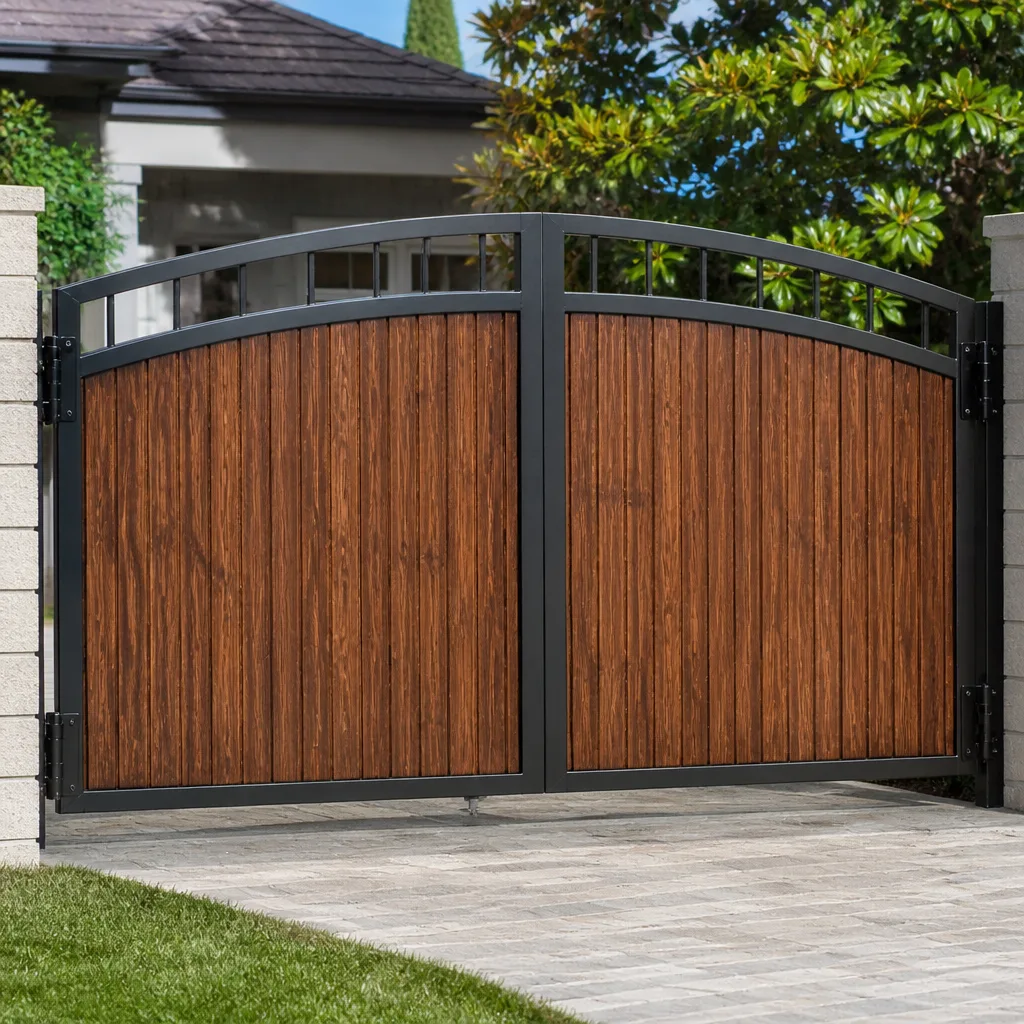 Wood & steel frame
 Farm & ranch
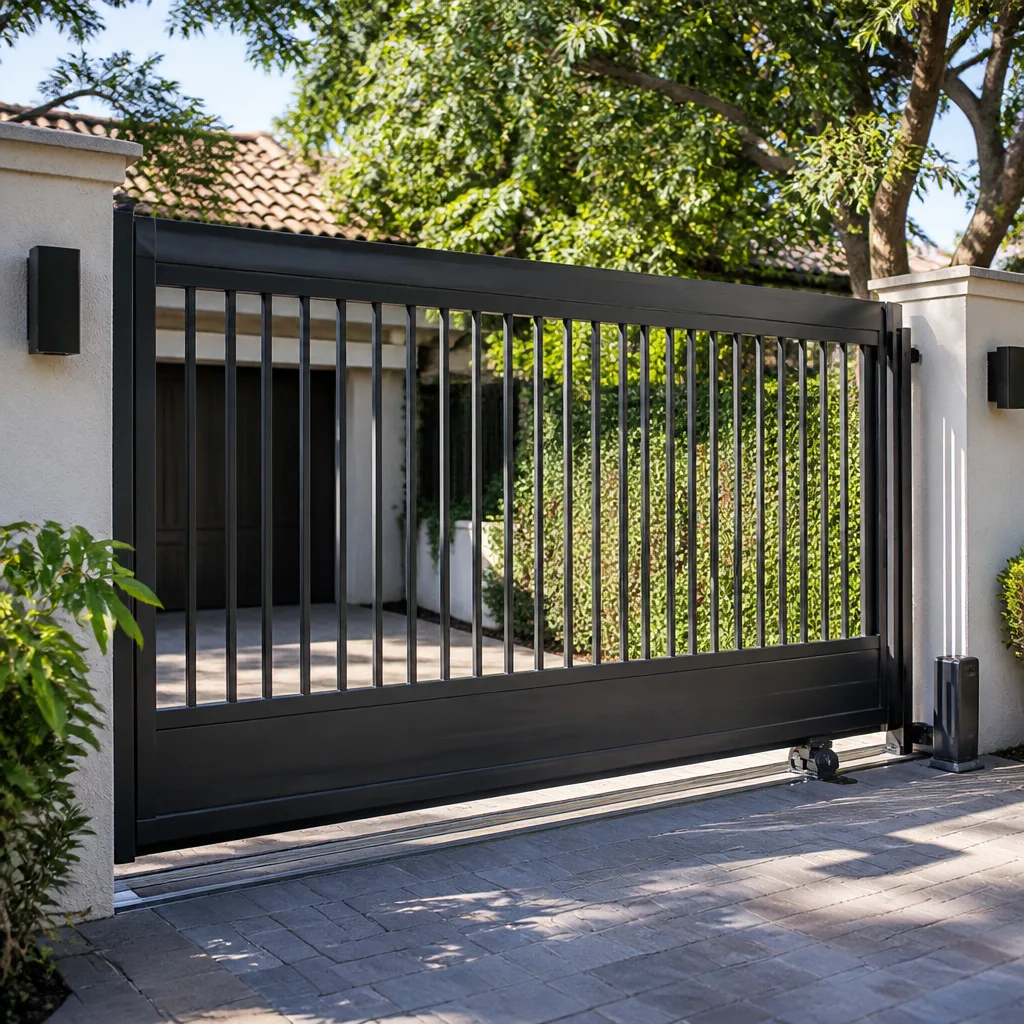 Sliding driveway gates
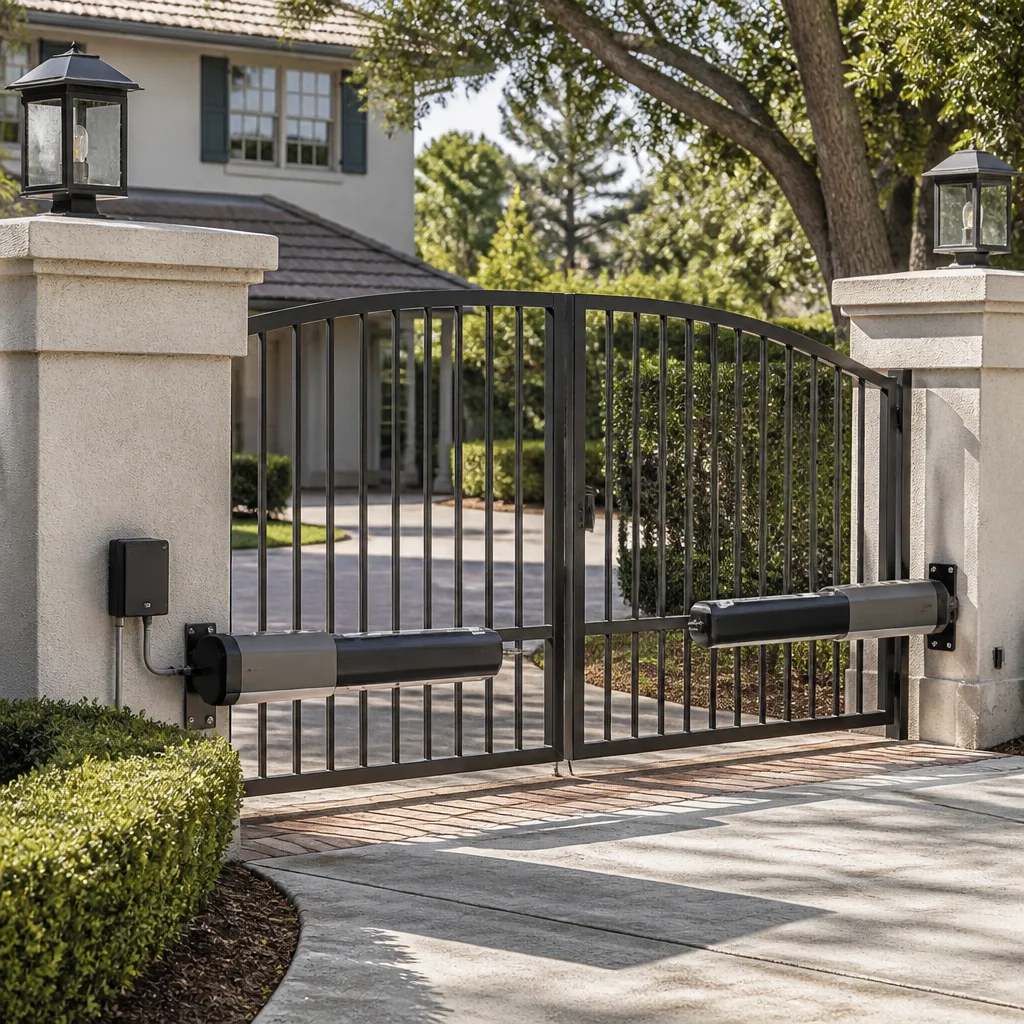 LiftMaster operators
Free on-site gate assessment - hinges, posts, and your LiftMaster or Nice gate operator checked before anything is quoted
The assessment is free and the quote is the invoice.
Get your free estimateGate Repair Maintenance Schedule: What to Do and When
Gate manufacturers publish lubrication intervals in calendar months. The fine print in most operator manuals ties those intervals to a cycle count ceiling, usually 1,500 cycles. A busy rental property blows past that in under 90 days. That’s why a driveway gate on a four-unit property ages four times faster than the same gate on a single-family home, and why a schedule built on “every six months” is fiction for half the gates we see in Boulder City. This guide shows you how to set your own interval from actual gate use, which lubricants survive sustained heat above 110°F, how to log limit-switch readings so drift becomes measurable, and what a real maintenance record should contain.
Quick Answer
The right gate maintenance schedule is based on cycle counts, not the calendar. Count how many times your gate opens in a day, multiply to get a monthly total, and service the gate when it hits roughly 1,500 cycles or every six months, whichever comes first. In Boulder City’s heat, add a pre-summer lubrication and hardware check in May and a post-monsoon inspection in September. Any gate that cycles more than 20 times a day should be on a quarterly schedule.
Styles & brands we work with
- Wrought iron
- Wood & steel frame
- Farm & ranch
- Sliding driveway gates
- LiftMaster operators
Table of Contents
- Why Cycle Counts Beat Calendar Months
- How to Set Your Own Maintenance Interval
- Lubrication That Survives Boulder City Heat
- Limit-Switch Drift and Why You Log Baseline Readings
- The Seasonal Checklist for Boulder City
- What Maintenance Documentation Should Contain
- When to Stop and Call a Technician
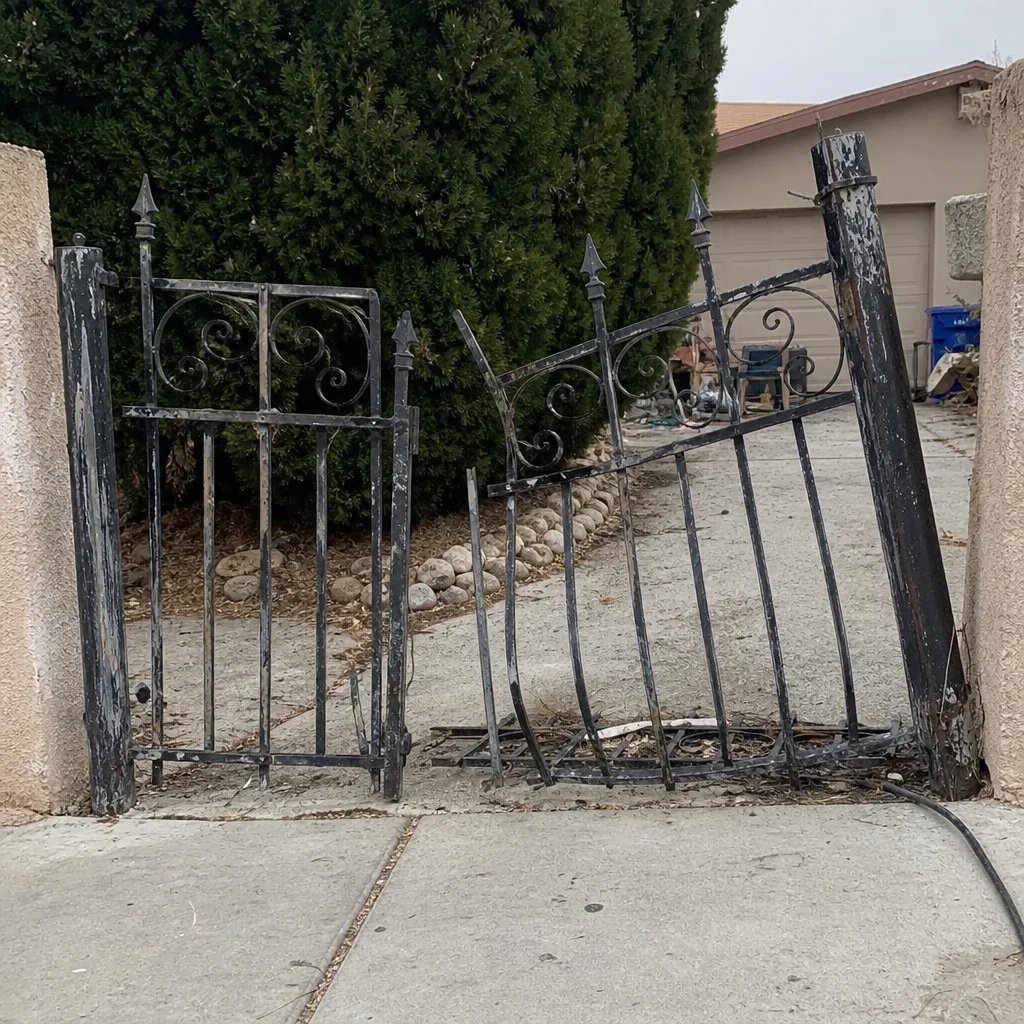 Before
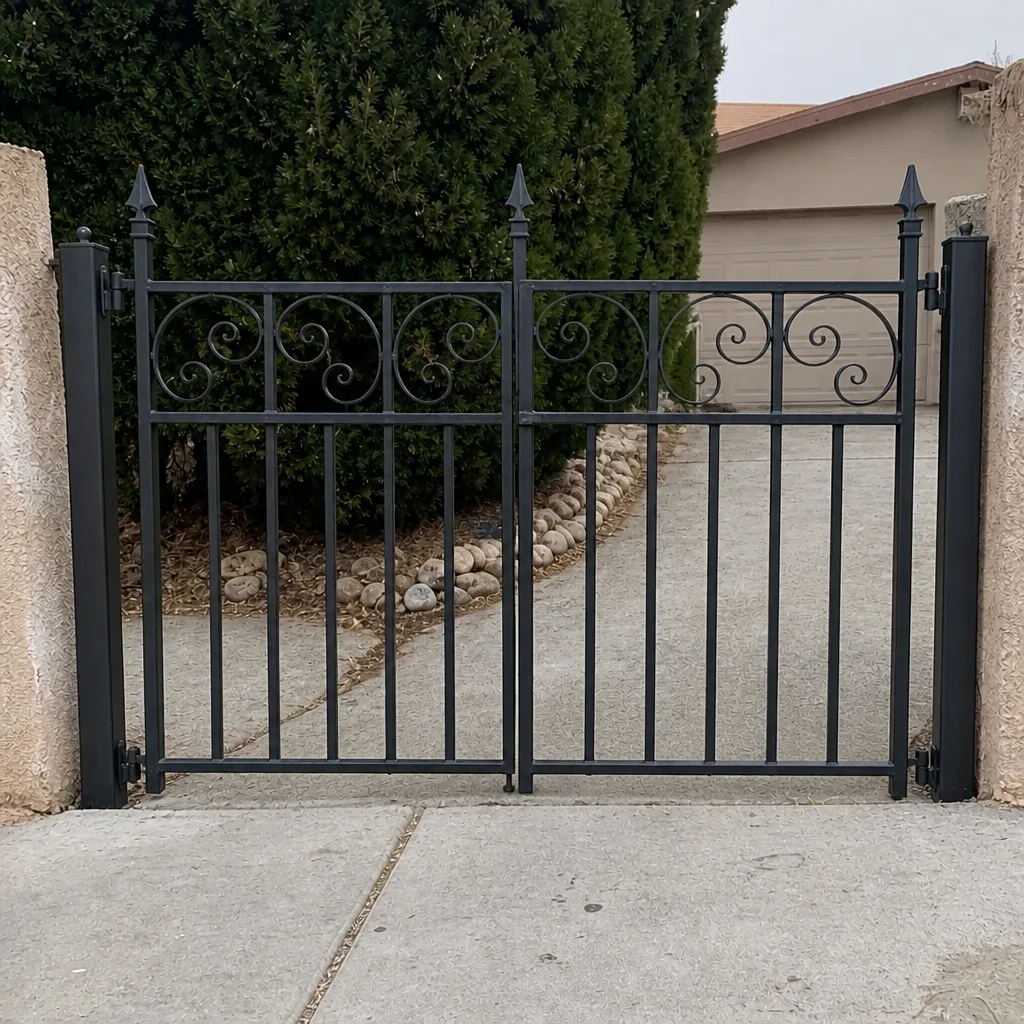 After
Why Cycle Counts Beat Calendar Months
A cycle is one complete open-and-close movement. Every cycle wears the same parts: the roller bearings, the hinge pins, the operator gear, the limit switch contacts, the spring in a swing operator arm. Those parts don’t care what month it is. They care how many times they’ve moved. A homeowner who leaves once in the morning and comes home once at night puts maybe four cycles on a gate in a day. A four-unit rental with tenants coming and going, plus a mail carrier, a landscaper, and a delivery driver, can hit 60 to 80 cycles in the same 24 hours. The two gates have identical manuals and identical stamped service intervals. Their actual wear is 15 to 20 times apart.
That gap is why service calls in Boulder City so often arrive as a surprise. The calendar said the gate was due for maintenance four months from now. The hinge bearings disagreed. When we open a gate and find a limit switch worn through its contact pad at 18 months of age, we can usually trace it to a property that cycles heavily and is being serviced on the lighter-use interval. The manual wasn’t wrong. It was written for the average, and averages hide the outliers.
Most operators store a cycle count internally, and some apps report it. Where that isn’t available, a simple count over a week gives you a working number. The count is the input to the schedule. The calendar is just a backup reminder.
How to Set Your Own Maintenance Interval
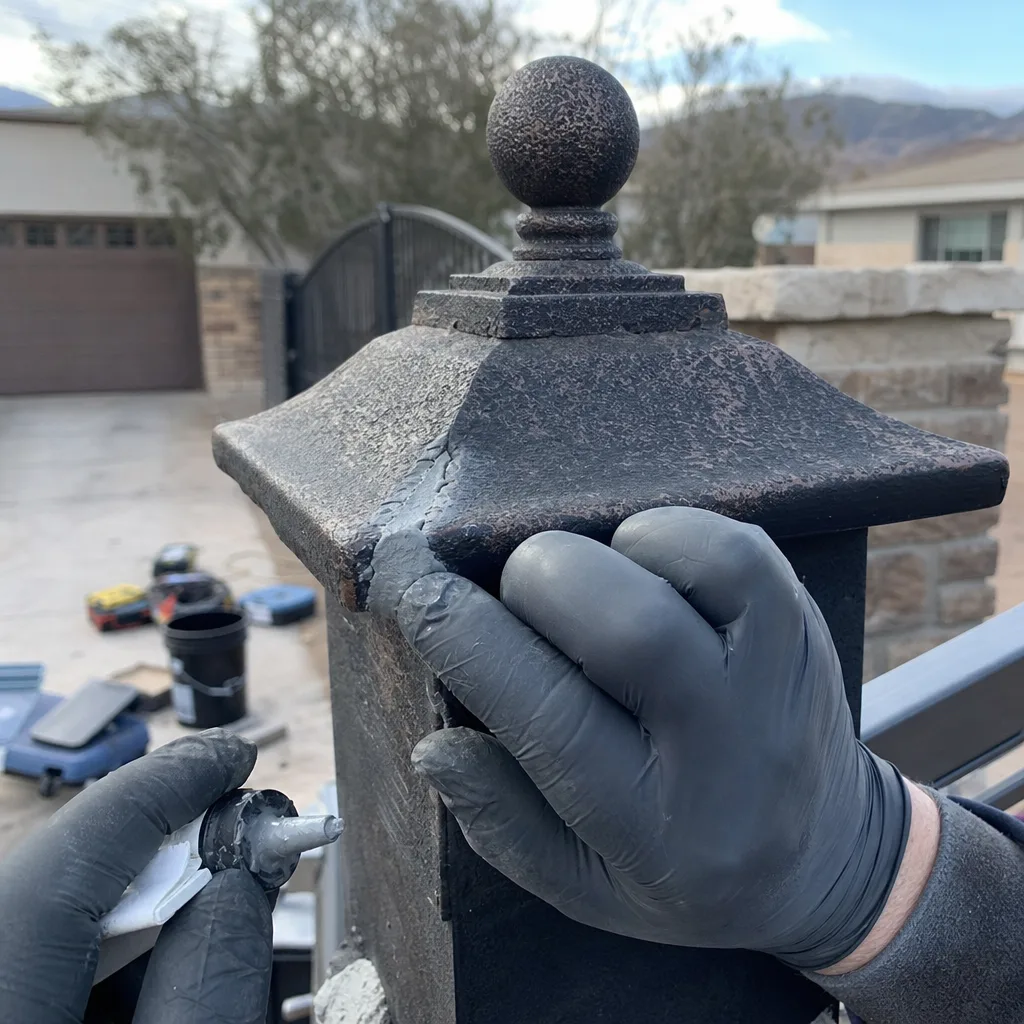
Setting your interval takes about 20 minutes and one week of casual counting. Here’s the method we use when we set up a maintenance plan for a new gate owner in Boulder City.
- Pick a representative week. Choose a week with normal traffic. Skip the week of a party or a houseguest.
- Count cycles, not days. Attach a paper tally to the gate post and mark a tick each time the gate completes a full open-and-close. If that’s inconvenient, ask the household to log entries and exits, then multiply by two for the cycle count.
- Multiply to a monthly figure. Take the weekly total and multiply by 4.3. That’s your monthly cycle count.
- Divide 1,500 by the monthly count. The result is how many months you can go between services. A gate that cycles 400 times a month gets serviced every 3.75 months. A gate that cycles 80 times a month can go the full six months the manual allows.
- Apply the heavy-use overrides. Any gate with a commercial-style keypad (DoorKing or similar) at the entrance is almost always a high-cycle gate, even on a small property, because every visitor, delivery, and contractor uses it. Treat those as quarterly.
- Write the interval on a sticker. Put the service date and the cycle count on a label inside the operator cover and a matching one on the inside of the control box. The next technician reads it and picks up where you left off.
If the gate is on a Gate Motor & Opener in Boulder City, the cycle-based approach matters even more because a worn motor gear fails faster than a worn hinge. Motors don’t announce themselves. They just start stalling. Getting ahead of that with a cycle-driven schedule is cheaper than a mid-driveway failure.
Lubrication That Survives Boulder City Heat
Boulder City summers push gate hardware to surface temperatures well above 130°F. Lubricants that work fine in coastal climates separate, run, or turn to varnish at those temperatures. We’ve pulled gate operators apart in June and found the original factory grease turned into a waxy crust that did nothing except collect dust. The lubricant failed before the part did.
Here’s the practical substitution list we use:
- Aerosol white lithium grease: loses its carrier solvent fast in sustained heat and dries into a chalky film. Substitute a synthetic lithium complex grease rated for high-temperature service on hinge pins and roller bearings.
- General-purpose WD-40 as a primary lubricant: it’s a penetrant and water displacer, not a lubricant. It evaporates within weeks in the desert. Use it to free a seized hinge, then follow with real grease.
- Chain lube for roller chain drives: the light motorcycle-style spray is too thin for the load a gate chain carries. Use a chain and cable lubricant that stays tacky, and reapply more often than the manual says, because the heat cycles drive it off faster.
- Silicone spray on limit-switch plungers and pivot points: this one is correct, and it’s the one we’d keep. Silicone doesn’t attract dust and doesn’t run in heat. Where the manual says “light oil,” use silicone.
- Operator gearbox oil: never top up with generic motor oil or transmission fluid. Use the manufacturer’s specified weight. The gearbox is sealed and any substitution changes the load profile inside.
For brands like Viking and Ghost Controls, the operator manual names specific lubricants, and those names are worth following in the gearbox. On the gate frame itself, the manual is silent and the substitution list applies. Grease the hinge pins on a schedule, wipe off excess, and photograph the hinge before and after. Excess grease attracts dust which turns into grinding paste. Less is more.
Limit-Switch Drift and Why You Log Baseline Readings
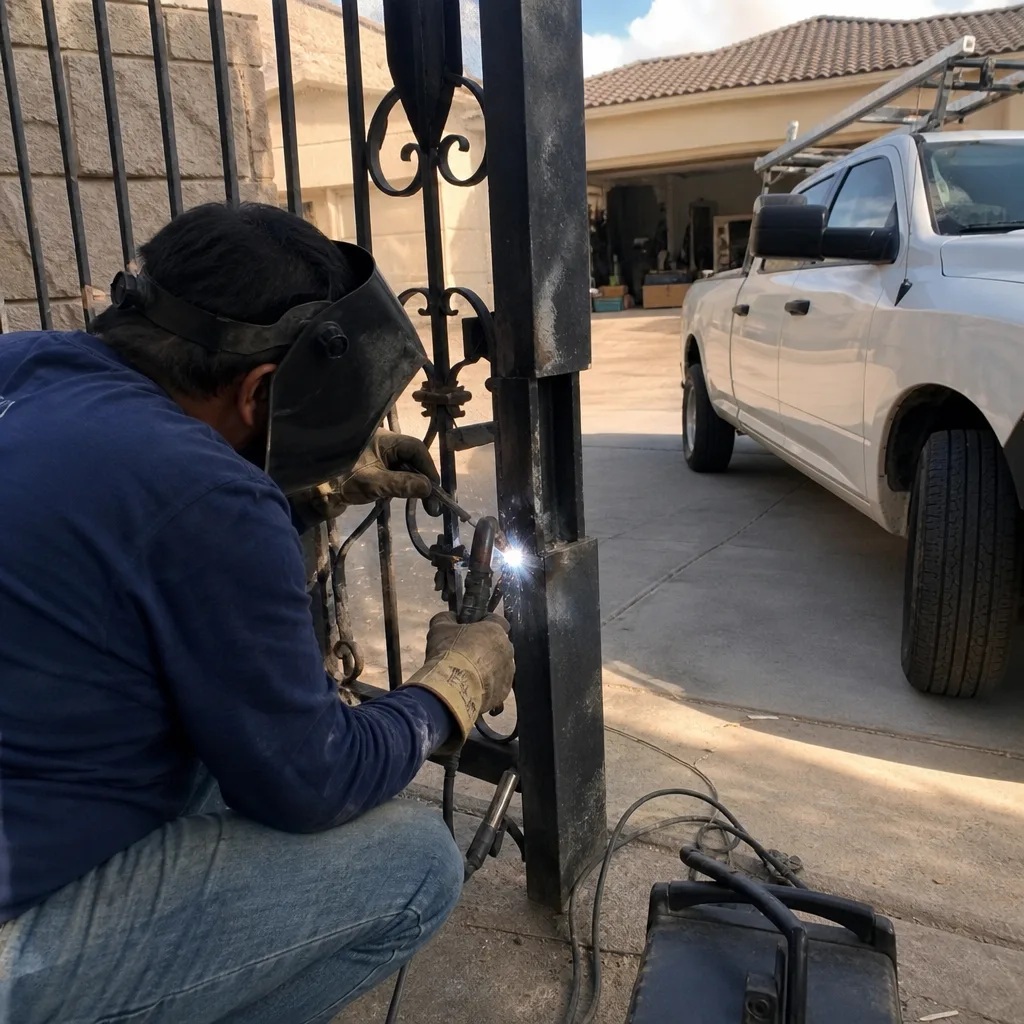
A limit switch is the component that tells the operator “you’ve reached the fully open (or fully closed) position, stop.” It works by contacting a cam, and over hundreds of cycles the cam slips a fraction of a degree, the switch contact wears, or the mounting bracket loosens. When that happens, the gate stops short of travel, overtravels and slams, or reverses in the middle of a cycle. In a rental property in Boulder City where the gate gets 70 cycles a day, a limit switch that drifts half a degree can start causing intermittent failures within a month.
The fix is a baseline measurement at installation. Whether you’re installing a new gate or having one serviced, ask for a photo log of every limit-switch position with the reading written on it, or with a visible reference mark next to the cam. The readings matter because when you check the same switch six months later, “the cam moved 4 degrees” is a quantifiable symptom. “The gate feels off” is not. A technician who opens the cover and sees a dated photo of the correct cam position can measure drift in minutes instead of cycling the gate 20 times and guessing.
If you’re installing a new gate, ask whoever installs it to record these baseline readings on day one. Our Gate Installation in Boulder City procedure leaves that photo log on every job. On a manual gate or one without a baseline, a trained technician can re-establish one, but they have to cycle the gate fully and physically mark the position first.
The Seasonal Checklist for Boulder City
Generic spring/fall checklists were written for a climate most of the country lives in. Boulder City’s two seasonal pressure points are the pre-summer heat spike (May through June, when temperatures cross 110°F) and the post-monsoon period (late August through September, when flash rain and blowing dust hit at once). Both cause specific failures that a March checklist misses.
Pre-summer inspection (May):
- Grease hinge pins, roller bearings, and pivot points with the high-temp grease from the section above. Remove excess.
- Check operator gearbox oil level. If it’s low, top with the specified weight, not a substitute.
- Inspect the photo-eye (the infrared beam that stops the gate if something crosses the path) for sun damage and alignment. Photograph the alignment before touching it.
- Test the manual release. In heat, a stuck manual release can turn a routine power outage into an emergency. Both vehicle and gate releases should operate with one hand and the gate should move.
- Check the battery backup (where installed). Heat degrades lead-acid batteries faster than any other factor. Test voltage under load.
- Look at the control-box wiring harness. Sun rots insulation at the entry point where the harness leaves the box.
- Verify the limit-switch baseline is logged. If you don’t have the readings from installation, get them recorded before the busy season starts.
Post-monsoon inspection (September):
- Clear dust and grit from the track or the operator housing. Monsoon dust settles into the mechanism and grinds during the first dry cycles.
- Check every hinge and pivot for evidence of flash-rust. Infrared sun and one rain event will rust untreated steel overnight.
- Re-test the photo-eye for alignment. Monsoon wind moves the post that holds the eye more often than homeowners realize.
- Cycle the gate 10 times and listen for changes in the motor note. Any new grinding or uneven stall is worth documenting before it becomes a failure.
- Re-check limit switches against the baseline readings. Post-monsoon is the most common window for drift.
- Test the emergency stop and manual release again, because the gate needs to work in a blackout.
Everything in between is your cycle-based lubrication schedule. The two seasonal windows are the exception to the routine, not a replacement for it. For a property in Boulder City with an Elite or DoorKing operator, the operator lubrication interval set by the manufacturer is worth reading against the actual cycle count you’ve been logging.
What Maintenance Documentation Should Contain
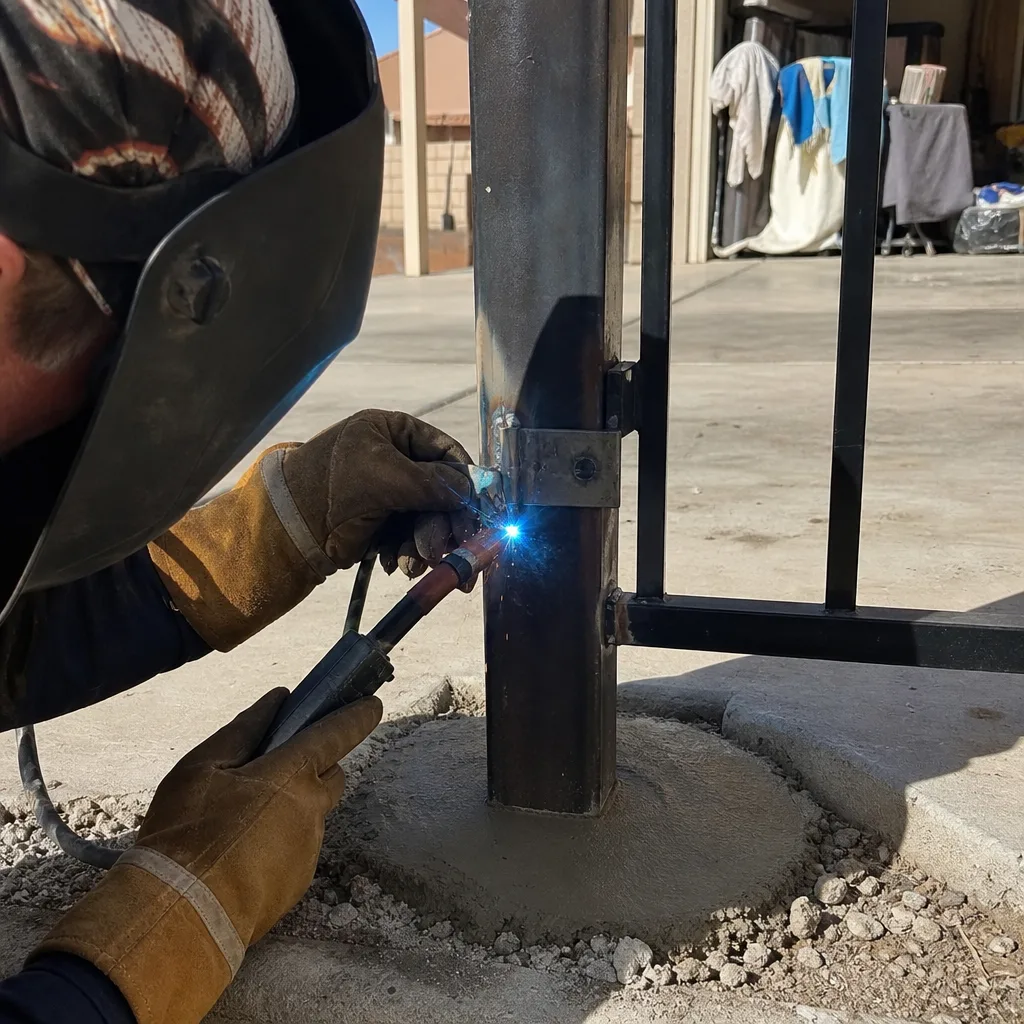
The single most valuable thing a maintenance visit produces is not the adjustment. It’s the record. Without a record, a future technician can’t tell whether a gate failed because maintenance was missed or because a part failed on its own. That distinction matters when you’re deciding whether to claim a warranty, whether to switch brands, or whether to hold a service company responsible.
A complete maintenance record for a gate has six parts. Every visit should leave you with all six:
- The date, the cycle count, and the interval marker. How many cycles since the last service, and whether the gate is on schedule.
- Photographs of the gate before service and after. Hinges, operator cover, photo-eye alignment, track, control box. Some of these are the same photos you’d want in a home sale package.
- Limit-switch readings and photographs of cam position. Dated, with the reference mark visible. This is what makes drift measurable on the next visit.
- Part numbers of anything replaced. Motor gear, roller bearing, spring, battery. Model number and brand.
- Wiring diagrams annotated with any changes. If a technician adds a loop detector or moves a wire, they should draw it, not just mention it in a text message.
- A written statement of what was found and left behind. “Limit switch set 12 degrees past travel; reset and photographed.” Not “adjusted.”
If a company shows up without this record, or leaves the customer with a verbal summary, the next technician starts from zero. That’s how a gate ends up getting the same adjustment six times. Our Gate Repair in Boulder City visits always leave a photo log and a written part-number record, under Clause 4 (Evidence on every job) of our Haven Standard. The photo log is the maintenance history. The maintenance history is what keeps a small drift from becoming a $700 replacement.
When to Stop and Call a Technician
Some failures are a schedule problem. Some are a safety problem. Gate operators exert real force, and a gate under load can injure a person or damage a vehicle if a limit switch or obstruction sensor fails mid-cycle. If you notice any of the following, stop cycling the gate and have it looked at:
- The gate reverses mid-travel without an obstruction.
- The photo-eye is broken, obscured, or bypassed.
- A hinge pin is frozen and the gate is bending to compensate.
- The motor stalls at any point when opening or closing.
- The manual release is jammed or requires a tool.
- Any gate over 10 feet with a swing-style operator where the arm bracket shows stress cracks.
A gate repair on a Boulder City property is worth a professional look whenever those appear. The equipment involves stored energy in springs and motor gearboxes, and a limit switch that looks fine in a photograph can still be the reason your gate is intermittently failing. Our technicians have up to 12 years of experience with the nine major operator families we service, so whatever motor is already on the property, we can work on it. We don’t steer customers toward replacement when a repair will do.
Common Mistakes to Avoid
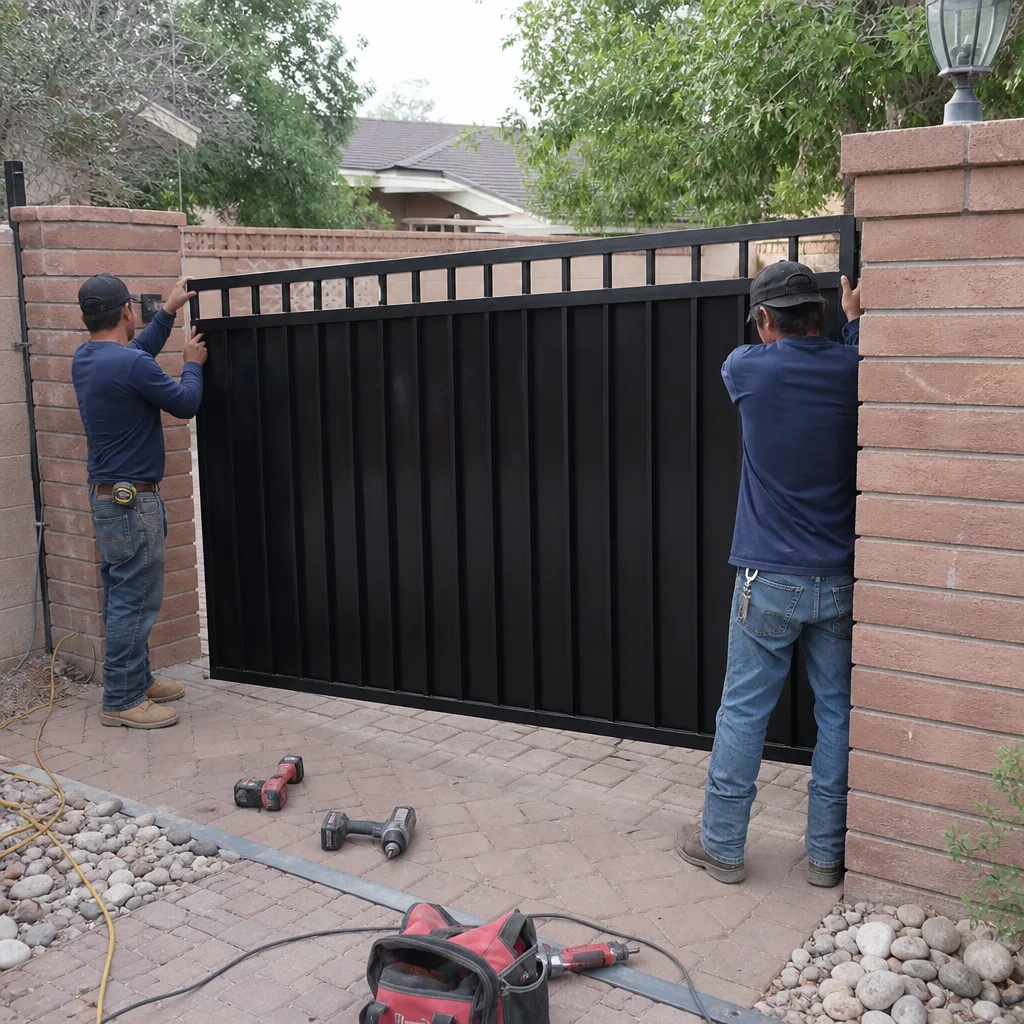
We see the same handful of maintenance missteps over and over. Here’s the list.
- Using the calendar interval from the manual. The interval assumes average household cycle counts. If your gate cycles more than average, the calendar interval will let it fail.
- Treating WD-40 as a lubricant. It’s a penetrating oil and a cleaner. It evaporates in heat. On hinge pins in Boulder City it does nothing more than attract dust after a week.
- Skipping the post-monsoon check because the gate “worked fine.” Monsoon dust settles in the operator and grinds silently for weeks before the motor stalls. A 20-minute post-monsoon inspection catches this. A service call costs more.
- Skipping the limit-switch baseline at installation. Without a written reading, future drift can’t be measured, so it gets treated as a new defect every time it shows up.
- Topping off the operator gearbox with the wrong oil. Substitutions change the load profile inside. Use the manufacturer’s specified weight, not whatever is on the shelf.
- Greasing everything. Excess grease collects dust. Dust turns into grinding paste. Apply sparingly and wipe off the excess.
- Using the manual release as the daily operation. Rental tenants sometimes do this because the operator failed with no repair called. The gate gets used manually for a month, the limit switch drifts the whole time, and the eventual repair costs more than a first-visit fix would have.
See the difference
BeforeAfter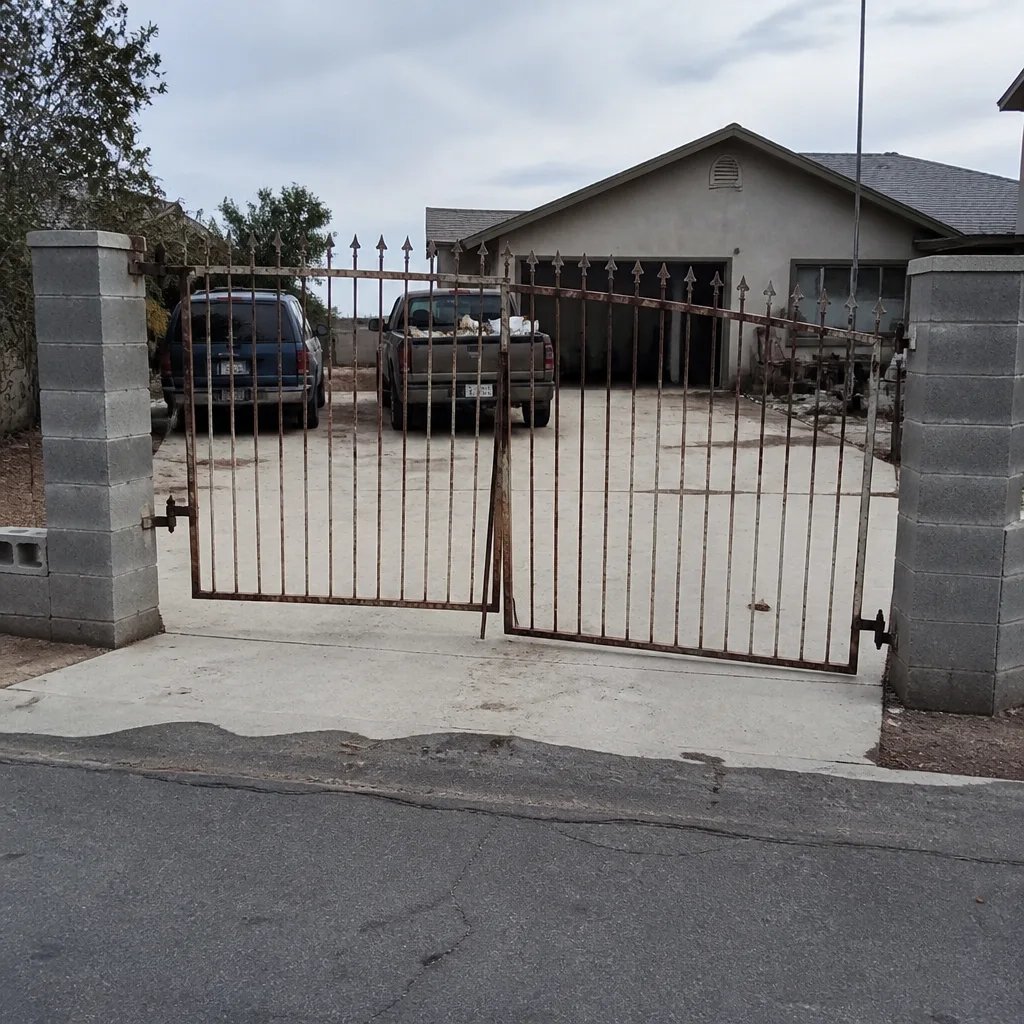 Before
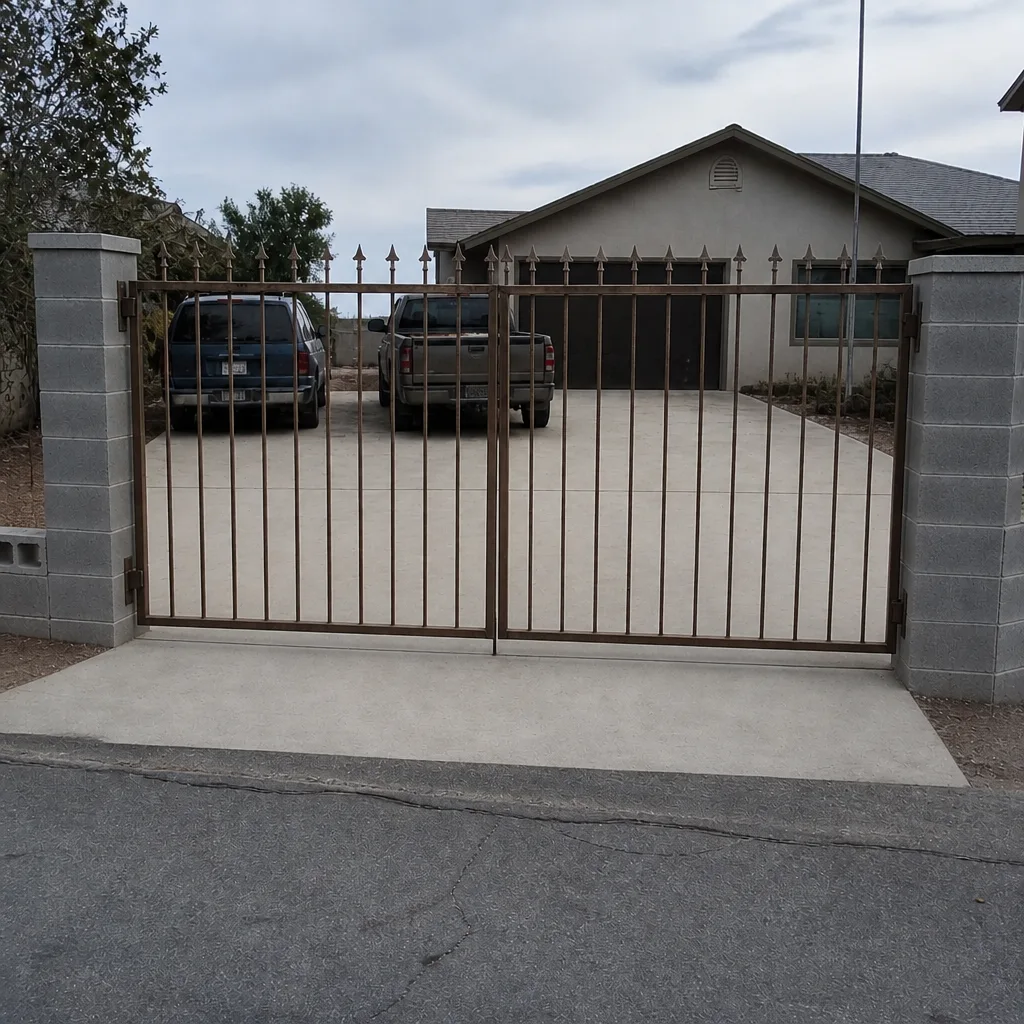 After
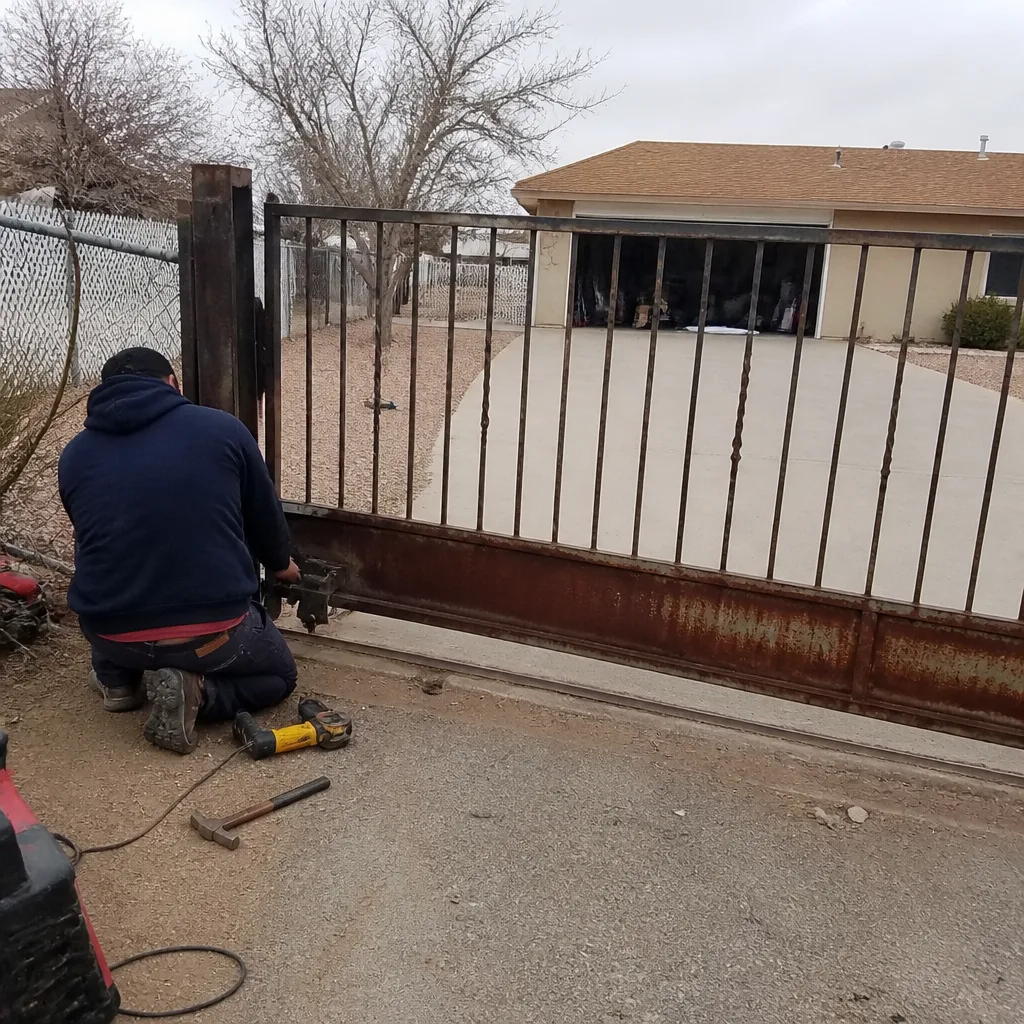 Before
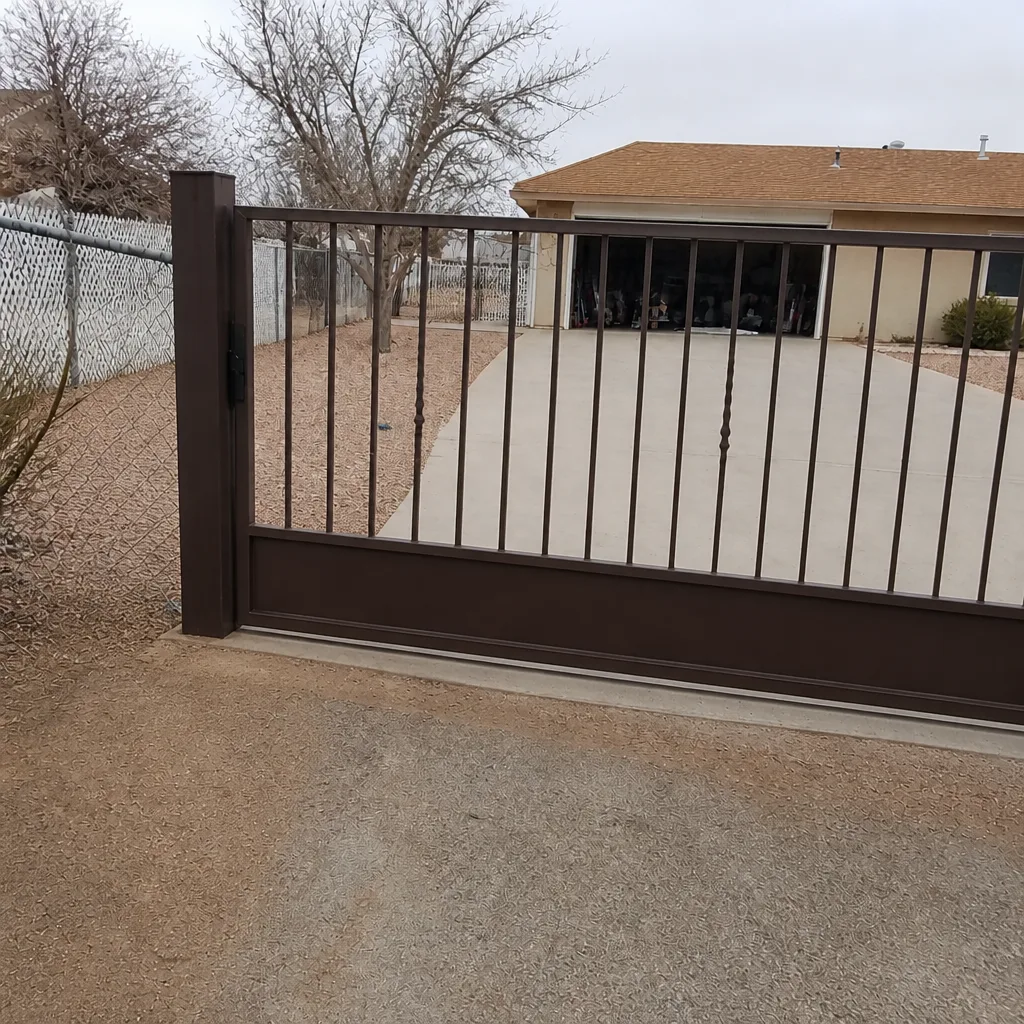 After
When to Call a Professional
Boulder City homeowners often ask if the schedule above is safe to run without a technician. The counting, lubrication and seasonal checks are. The moment a gate shows any of the safety symptoms we listed above, or the limit switch needs recalibration, or the operator gearbox needs internal inspection, that’s when a trained eye is worth the call. Spring energy, live wiring, and motor gearboxes are not friendly to a first-timer.
Vance Gate Repair Boulder City offers free estimates in Boulder City. Our technicians have up to 12 years of experience, and we service nine major operator brands including Viking, Ghost Controls, DoorKing and Elite, so we work with whatever motor is already on the property. We hand you a written price before any work starts, under Clause 1 of the Haven Standard, and a photo record when we leave. Call (844) 320-7587 any time, day or night. A live person answers.
Frequently Asked Questions
Base the interval on cycle count, not the calendar. Count your gate’s monthly cycles, divide 1,500 by that number, and service when you hit the interval or six months, whichever comes first. Add a pre-summer lubrication in May and a post-monsoon inspection in September. Call (844) 320-7587 for an exact quote on a first service visit; estimates are free.
Use a synthetic lithium complex grease rated for high-temperature service on hinge pins and roller bearings. Skip aerosol white lithium and general-purpose WD-40; both fail in sustained desert heat. Silicone spray is the one light lubricant that holds up on limit-switch plungers and pivot points. For the operator gearbox, use the manufacturer’s specified weight. Call (844) 320-7587 if you’re not sure which weight your operator takes; the answer is free.
Keep a baseline reading from the day the gate was installed or last serviced. Drift is measured against that baseline, not against a feeling. Symptoms of drift include the gate stopping short of full travel, reversing in the middle, or slamming at the end of a cycle. If you don’t have a baseline, a technician has to re-establish one. Call (844) 320-7587 to schedule a limit-switch check; estimates are free and we photograph the reading before touching anything.
A working gate isn’t a maintained gate. The high-cycle operators we see in Boulder City fail fast; a 60-cycle-a-day rental gate can burn through a hinge pin in 90 days, and the failure often shows up as a mid-cycle stall rather than a gradual slowdown. Whether the gate is on a LiftMaster, a BFT or an Elite operator, routine maintenance is cheaper than emergency repair. Call (844) 320-7587 for a service quote.
A complete record has six parts: the date and cycle count, before-and-after photographs, limit-switch readings and cam position photos, part numbers of anything replaced, annotated wiring diagrams, and a written statement of what was found and left behind. If any of those is missing, the next technician starts from zero. Our Gate Repair in Boulder City visits always leave all six under our Haven Standard. Call (844) 320-7587 to book a first visit.
Repair is almost always the right answer. A gate that failed at a limit switch, a hinge pin, or a roller bearing is doing what the part told it to do, not failing as a whole unit. Replacement should only come up when the frame itself is structural or the operator is genuinely past its service life. Most of our visits start and end with repair because we service nine motor families and don’t need to push a replacement. Call (844) 320-7587 for a free second opinion on any written estimate you’ve been given from another company.
The Bottom Line
A gate maintenance schedule has to be built from cycle counts, not calendar months, because the calendar can’t see how often the gate actually moves. Boulder City properties sit in a heat-and-monsoon cycle that punishes the wrong lubricants and the wrong inspection window. Log the limit-switch baseline at installation, set your interval from a real count, use high-temp grease on the frame and the manufacturer’s weight in the gearbox, and run a pre-summer check in May and a post-monsoon check in September. Keep the photo record. It’s the difference between a small fix and a compounding one.
Written by the team at Vance Gate Repair Boulder City.